
Retaining Wall installer in Otay Ranch, CA
Professional retaining wall installation, repair, and construction for homeowners throughout Otay Ranch. We build concrete, block, natural stone, and hillside retaining walls designed around your property's soil, slope, and drainage conditions. Proper site preparation and drainage planning are what separate a retaining wall that lasts for decades from one that cracks, leans, or fails within a few years.
Retaining Wall Services in Otay Ranch
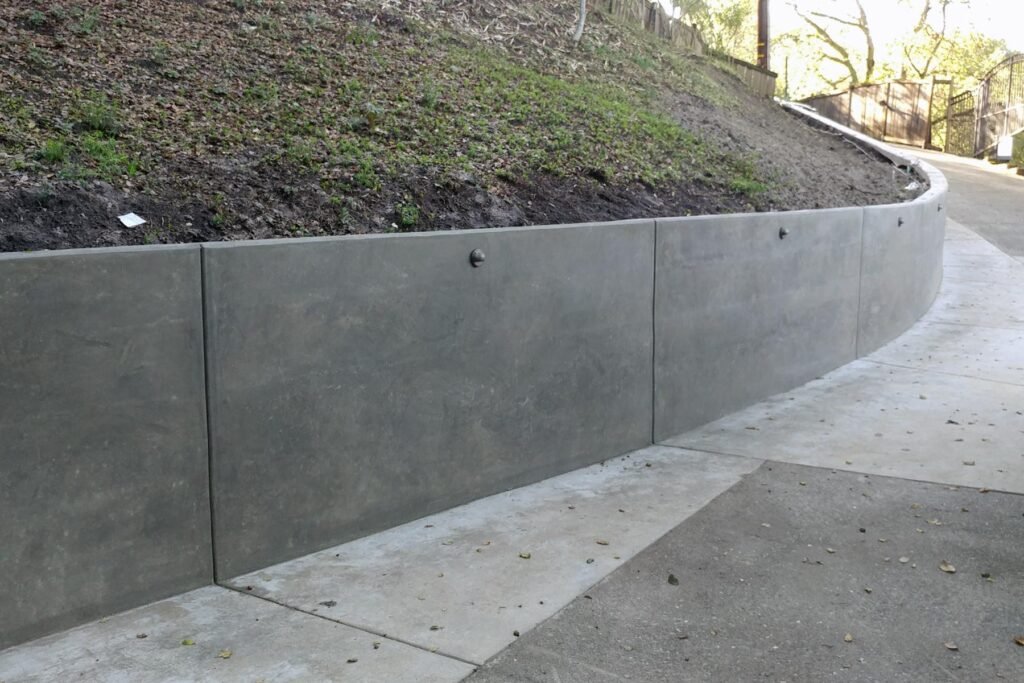
Retaining Wall Installation
New retaining wall construction is designed around the slope, soil, and drainage conditions of the property. The goal is to hold back soil, create a level, usable yard area, and prevent erosion on sloped or graded ground.
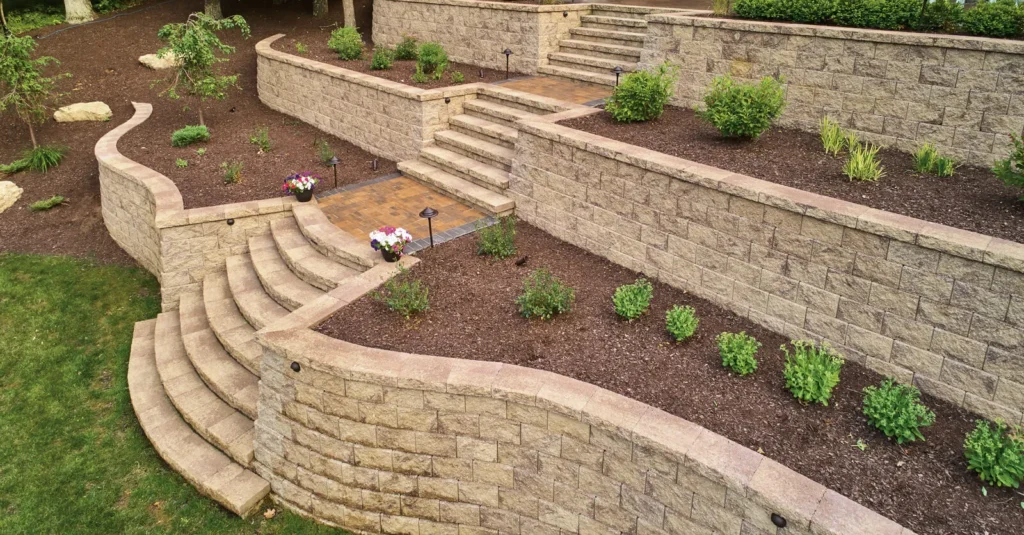
Retaining Wall Repair
Existing retaining walls can develop problems over time, especially if they were built without adequate drainage or footing depth. Cracks, leaning sections, bulging faces, and settling are the most common signs a wall needs attention.
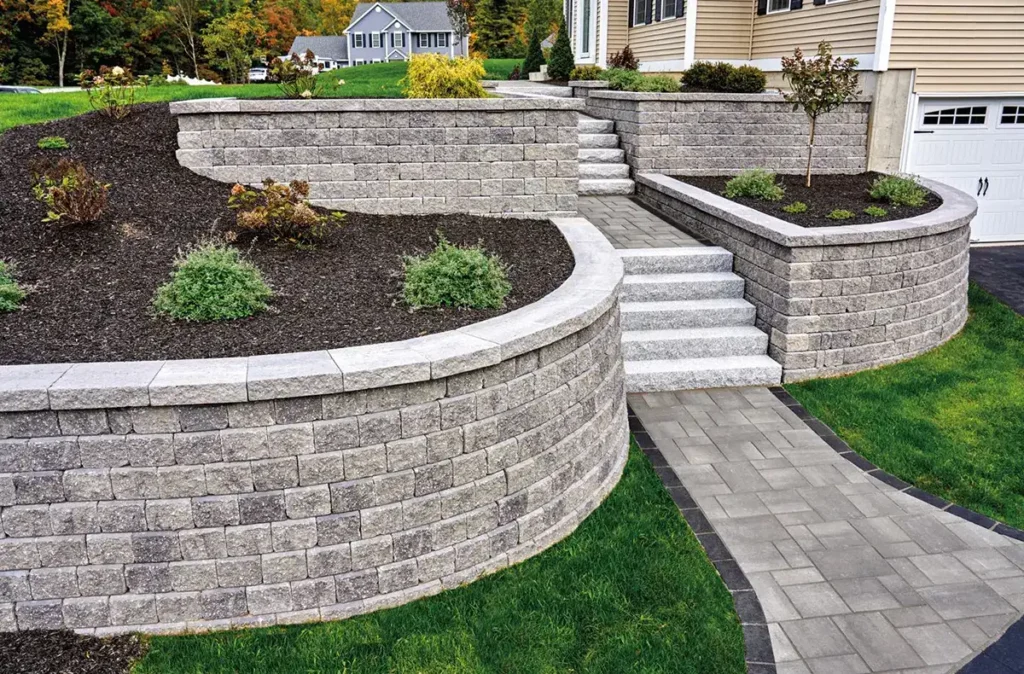
Concrete Retaining Walls
Poured concrete retaining walls offer strength and durability for taller walls or areas carrying significant soil load. Concrete allows flexibility in design, from smooth vertical faces to curved or stepped configurations.
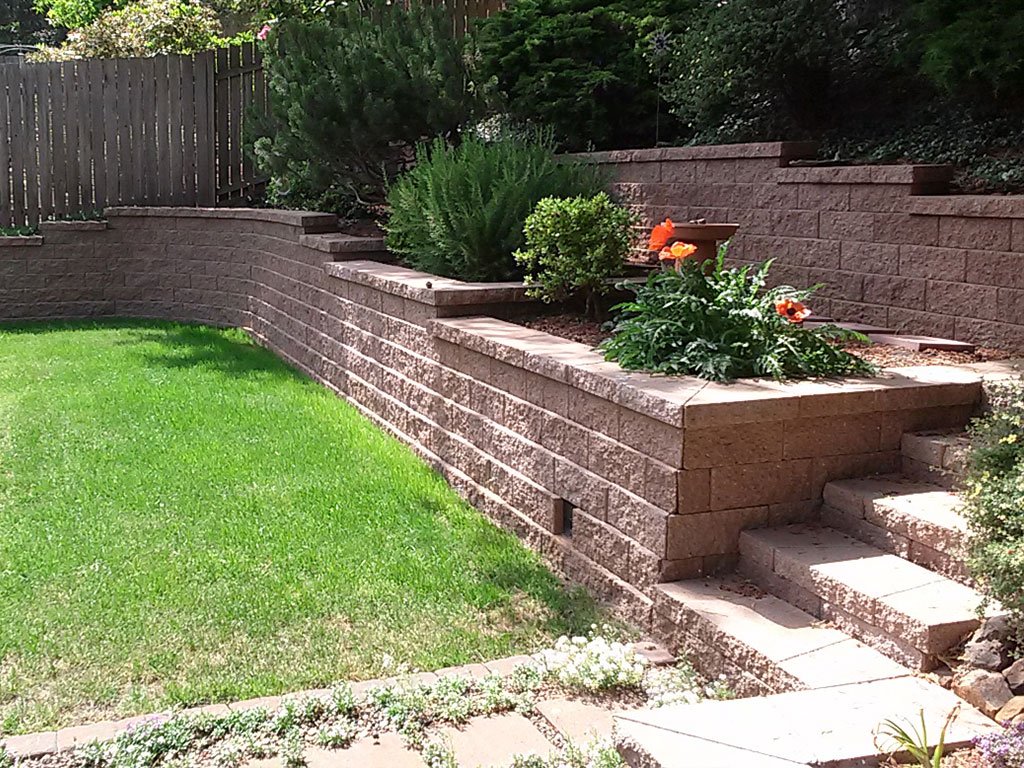
Block Retaining Walls
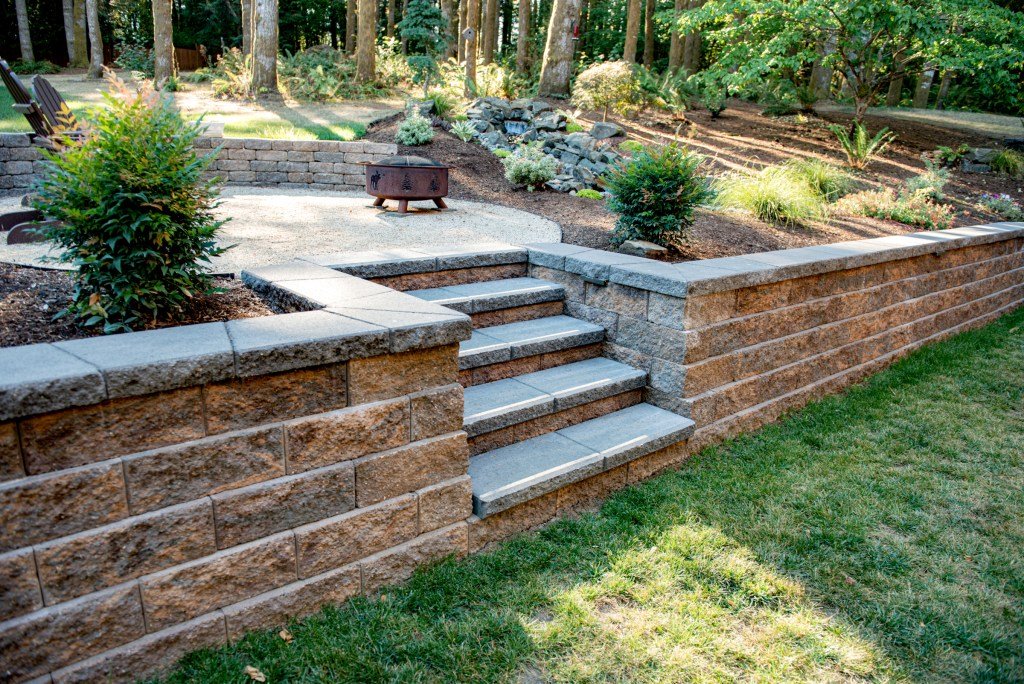
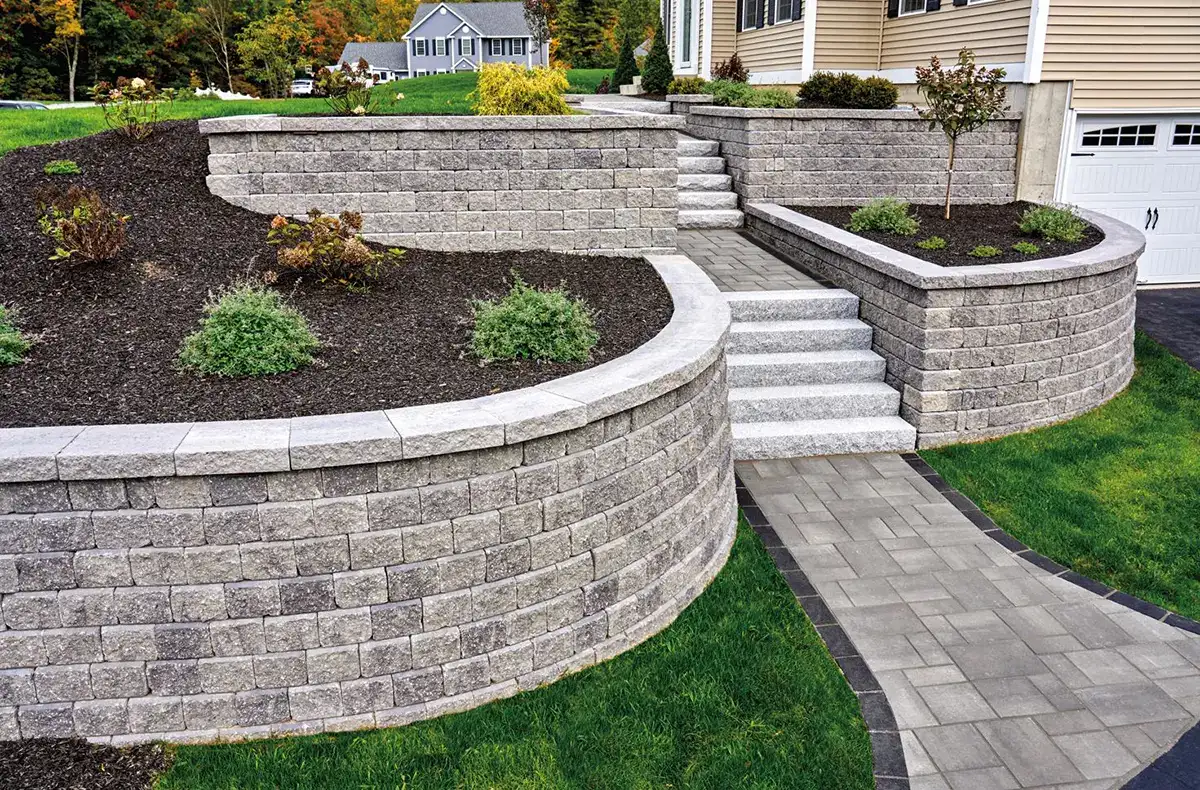
Segmental concrete block systems are a common choice for residential retaining walls. Interlocking blocks are stacked without mortar, using their weight and shape to resist soil pressure, which makes them well suited to a range of wall heights.
Natural Stone Retaining Walls
Natural stone walls offer a look that blends into existing landscaping more naturally than manufactured materials. Because stone varies in size, shape, and color, no two walls look exactly the same.
Hillside Retaining Walls
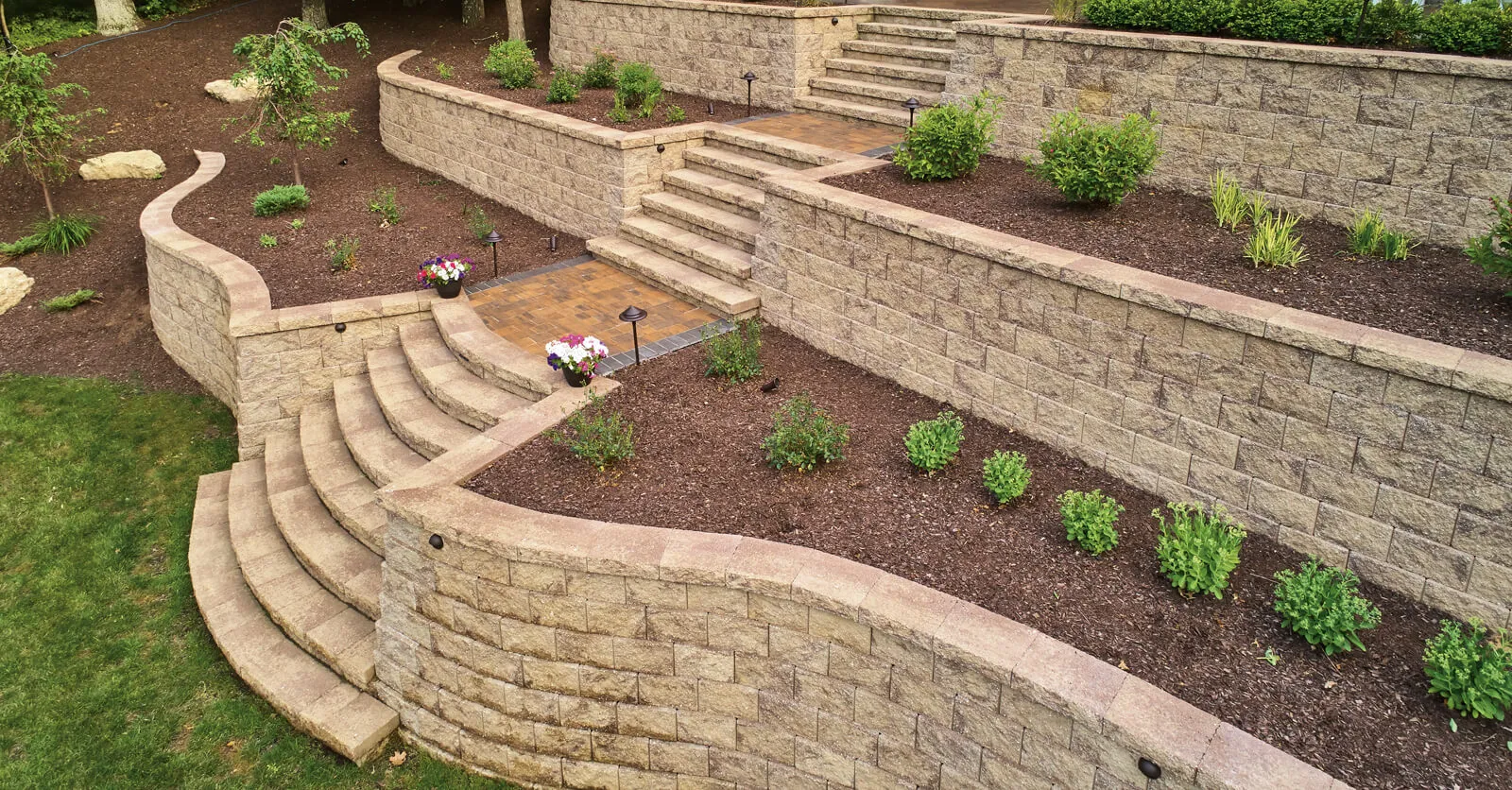
Sloped and hillside properties present some of the more demanding retaining wall applications, and Otay Ranch has no shortage of them given how much of the community was graded from canyon and mesa terrain near Wolf Canyon and the Lower Otay Lake area. These walls are built specifically to stabilize soil on a grade, control erosion, and often create usable flat space where none existed before.
Let's Start Your Retaining Wall Project in Otay Ranch
Let’s chat about your ideas! Getting started is easy – simply reach out with details about your retaining wall project!
What Homeowners Should Know About Retaining Walls in Otay Ranch
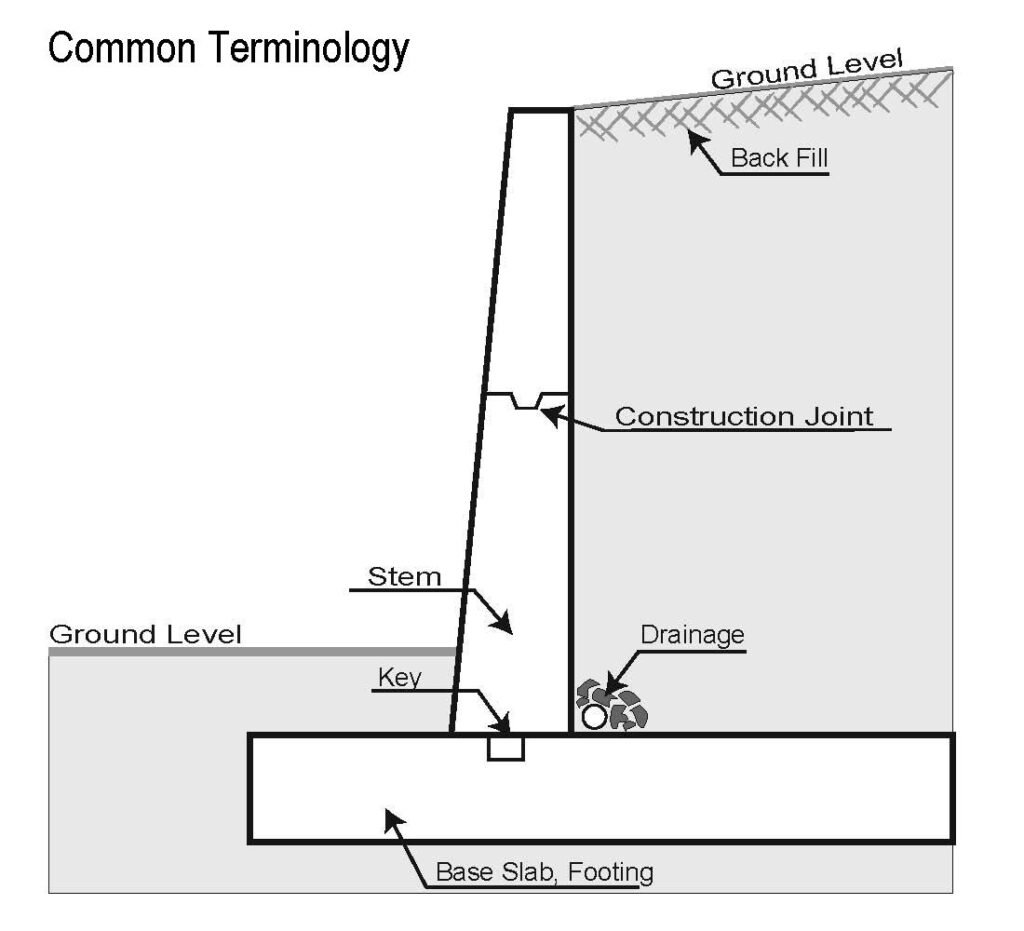
A retaining wall is a structural system, and every part of that system affects how it performs over time.
Wall height and length determine how much soil pressure the structure needs to resist. Taller or longer walls carry more load and may require deeper footings, reinforcement, or setbacks.
Soil pressure and drainage work together. Soil that’s saturated with water is heavier and exerts more force against a wall than dry soil. Gravel backfill, drainage pipe, and weep holes give that water somewhere to go instead of building up behind the wall face.
Excavation and base preparation set the foundation for everything above ground. A wall built on an inadequate or unlevel base is prone to settling and shifting, even if the visible construction looks solid.
Footings distribute the wall’s weight and resist the forward pressure of the soil behind it. Footing depth and width depend on wall height, soil type, and local conditions.
Backfill and reinforcement — the material placed behind the wall and any geogrid or structural reinforcement used — directly affect long-term stability, especially on taller walls or graded canyon-adjacent lots.
Property grading and site access also matter. How water flows across a yard before and after construction, and how equipment and materials can reach the work area, both influence the construction approach — a common consideration on Otay Ranch lots backing up to slopes or open space.
Material selection should match both the application and the property. A wall holding back a graded canyon-facing slope has different requirements than a short decorative wall around a garden bed.
Getting these elements right affects structural stability, drainage performance, appearance, and how much maintenance the wall will need over its lifespan.
How Much Does a Retaining Wall Cost in Otay Ranch?
| Project Type | Typical Cost Range | Factors Affecting Price |
|---|---|---|
| Small decorative or garden wall (under 3 ft) | $2,500 – $7,500 | Wall length, material, minimal drainage needs |
| Standard block retaining wall (3–5 ft) | $7,000 – $18,000 | Height, length, base prep, drainage system |
| Concrete retaining wall | $10,000 – $30,000+ | Formwork, reinforcement, excavation, curing time |
| Natural stone retaining wall | $9,000 – $28,000+ | Material sourcing, labor intensity, design complexity |
| Hillside or larger structural wall | $15,000 – $45,000+ | Wall height, engineering, reinforcement, site access |
| Retaining wall repair | $1,500 – $12,000 | Extent of damage, drainage correction, partial vs. full rebuild |
These ranges reflect broad industry pricing and are not quotes. Actual costs depend on wall dimensions, material choice, soil conditions, drainage requirements, site access, and the complexity of construction on your specific property.
Factors That Affect Retaining Wall Cost
- Wall height and length — more material, excavation, and reinforcement for larger walls
- Materials — concrete, block, and natural stone each carry different material and labor costs
- Excavation and soil conditions — graded fill soil and canyon-adjacent terrain can increase labor and equipment needs
- Drainage and backfill — gravel, pipe, and filter fabric add cost but are essential to performance
- Reinforcement and engineering — taller or load-bearing walls may require additional design work
- Site access — walls in tight side yards or steep backyards may require hand excavation or smaller equipment
- Existing landscaping — plants, hardscape, or structures near the work area can add complexity
- Labor complexity — curved walls, tiered designs, or difficult grades take more time to build correctly
Local Otay Ranch Factors That Can Affect Cost
Otay Ranch is made up of many distinct villages, and property conditions can vary quite a bit depending on whether a lot sits on flatter interior streets or borders a canyon, mesa edge, or perimeter slope area. Homes near Wolf Canyon or other open space preserves often deal with more pronounced grade changes than homes on interior, flatter parcels.
Existing hardscape, mature landscaping, and yard configuration also play a role — walls built around established trees, patios, or pool equipment often require more careful planning than walls on open ground. Drainage patterns specific to a property, including how water moves off a graded slope or collects near a foundation, factor into design as well.
Not every property in Otay Ranch has the same soil, slope, or access conditions, which is why a site visit is the only reliable way to scope a project accurately.
Why Detailed Estimates Matter
An accurate estimate starts with real measurements of the wall area, not a rough guess. Site evaluation identifies soil type, drainage patterns, and any existing wall conditions that affect the scope of work.
Material selection and drainage requirements are determined based on wall height and site conditions, not a standard template. A clear, itemized project scope helps homeowners understand exactly what’s included and avoid unexpected costs once construction begins.
Retaining Wall Installation in Otay Ranch, CA
Otay Ranch at a Glance
- Location: Master-planned community in Chula Vista, San Diego County, situated near the Lower Otay Lake and Otay Valley
- Development: Organized into a series of numbered villages, developed from ranchland into residential communities beginning in the late 1990s and expanding through the 2000s and beyond
- Terrain: Graded mesas, canyons, and perimeter slope areas, including terrain near Wolf Canyon and surrounding open space preserves
- Community: One of the largest master-planned developments in Chula Vista, with a mix of single-family homes, townhomes, and condominiums
- Housing: Contemporary residential construction across multiple villages, many built on engineered, graded lots
Why Otay Ranch Homeowners May Need Retaining Walls
Otay Ranch was developed by grading canyon and mesa terrain into residential villages, and that process means many properties sit on engineered slopes, terraced pads, or lots bordering canyons and open space. On these properties, retaining walls can help stabilize soil, control erosion, and prevent yard grading from shifting toward fences, patios, or structures over time.
Drainage is a related consideration on any graded lot, since water naturally moves toward the lowest point on a property. Well-designed retaining walls work together with drainage planning to manage that water flow rather than letting it collect and saturate the soil behind a slope — an important factor given the perimeter slope and drainage infrastructure already built into many Otay Ranch villages.
Retaining walls are also commonly used to create usable outdoor living space on sloped or canyon-adjacent lots — turning a graded hillside into a level patio, garden area, or yard extension. That said, not every property needs a retaining wall; the right approach depends on the specific slope, soil, and landscaping goals of the site.
Why Choose Retaining Wall Installer Imperial Beach?
Local Knowledge of Otay Ranch Properties
Otay Ranch spans many villages across a mix of flatter interior streets and graded, canyon-adjacent lots, and understanding that variation helps inform how a wall should be designed and built for a specific site.
Quality Materials and Construction Practices
Concrete, block, and natural stone walls are built using construction practices suited to each material — proper base preparation, reinforcement, and drainage integration.
Attention to Drainage and Site Preparation
Drainage is treated as a core part of every wall design, not an afterthought, since it’s one of the biggest factors in how long a retaining wall lasts.
Clear Communication
Homeowners are kept informed through the assessment, planning, and construction process, with a clear scope of work before any project begins.
Homeowner-Focused Service
Every property is different, and recommendations are based on the specific slope, soil, and drainage conditions of the site rather than a one-size-fits-all approach.
Areas We Serve Near Otay Ranch
In addition to Otay Ranch, retaining wall services are available throughout nearby South Bay communities, including Chula Vista, Eastlake, National City, Imperial Beach, Bonita, and San Ysidro. Property conditions vary across these areas, and each project is scoped based on the specific site.
Need Help?
Frequently Asked Questions About Retaining Walls in Otay Ranch
Below are some of the most common questions Our Network get from families about Retaining Wall. If you have any other questions contact us!
How much does a retaining wall cost in Otay Ranch?
Costs typically range from around $2,500 for a small decorative wall to $30,000 or more for a large concrete or engineered hillside wall. Most standard residential block or stone walls fall somewhere between $7,000 and $25,000, depending on height, length, and site conditions. The best way to get an accurate number is a site evaluation, since drainage and soil conditions vary by property.
How long does retaining wall installation take?
A smaller residential wall can often be completed in a few days to about a week, while larger or more complex walls — especially those requiring engineering, extensive excavation, or reinforcement — can take two to three weeks or longer. Weather, site access, and material availability can also affect the timeline.
How long do retaining walls typically last?
A well-built retaining wall with proper drainage can last 30 to 50 years or more, depending on the material and construction quality. Concrete and block walls tend to be on the longer end of that range when built with adequate footings and drainage, while poorly drained walls can show problems within just a few years.
What type of retaining wall is best for a residential property?
It depends on the wall’s height, purpose, and the look a homeowner wants. Block walls are a popular, cost-effective choice for moderate heights, concrete offers strength for taller or load-bearing applications, and natural stone provides a more organic appearance for landscaping-focused projects. A site assessment helps determine which option fits a specific yard.
How does drainage affect retaining wall performance?
Drainage is one of the most important factors in how long a wall lasts. Without a way to relieve water pressure — through gravel backfill, drainage pipe, or weep holes — saturated soil can push against the wall with enough force to cause leaning, bulging, or cracking. Most wall failures trace back to inadequate drainage rather than the material itself.
Why do retaining walls lean or crack?
Leaning and cracking are most often caused by inadequate footing depth, poor drainage, or insufficient backfill compaction during original construction. Water buildup behind the wall increases soil pressure beyond what the structure was designed to handle, gradually pushing it out of position.
How tall can a retaining wall be?
Residential retaining walls commonly range from about 2 to 6 feet in height, though taller walls are possible with proper engineering and reinforcement. As wall height increases, so does the soil pressure behind it, which typically means deeper footings, stronger materials, or tiered wall designs.
Contact Retaining Wall Installer Imperial Beach Today
If you’re dealing with a sloped yard, an aging retaining wall, or drainage issues on your Otay Ranch property, we’re ready to help you plan a solution built for your site. From new installations to repairs, every project starts with a free, no-pressure consultation to evaluate your soil, slope, and drainage conditions.
We also serve homeowners throughout nearby Chula Vista, Eastlake, National City, Bonita, San Ysidro, and Imperial Beach. Whether you already know what type of wall you want or need help choosing between concrete, block, or natural stone, we’ll walk you through the options and help you plan a project that fits your property and budget.