Retaining Wall Installation in Imperial Beach, CA
As your local retaining wall installer in Imperial Beach, we build and repair concrete, block, and natural stone retaining walls designed for South Bay soil and drainage conditions. Whether you're leveling a sloped yard, stopping erosion, or replacing a failing wall, proper drainage and site preparation make the difference between a wall that lasts decades and one that fails early.
What Is Retaining Wall Installation?
A retaining wall is a structure built to hold back soil on a slope, creating a level change between two different grades. It resists the lateral pressure of the soil behind it, keeping that soil from shifting, sliding, or eroding onto walkways, patios, or neighboring property.
Homeowners typically need a retaining wall when a yard has a slope that limits usable space, when erosion is washing out landscaping, or when a grade change near a home, driveway, or fence needs to be stabilized. Retaining walls are also used to create flat terraces on hillside lots, protect foundations from soil movement, and define raised planting beds.
Proper installation starts with site preparation. This includes evaluating the slope, soil type, and how water moves across the property before any digging begins.
Excavation comes next, removing soil to the correct depth and width for the wall’s footing or base. The base must be compacted properly, since an unstable base is one of the most common reasons walls eventually lean or settle.
Drainage is installed behind the wall, typically using gravel backfill and a perforated drain pipe, so water pressure doesn’t build up behind the structure. Backfill material is then placed and compacted in layers, and reinforcement — such as geogrid, rebar, or deadmen anchors — is added where wall height or soil conditions require additional stability.
Material selection also matters. Concrete, block, and natural stone each perform differently depending on wall height, soil type, and the look a homeowner wants. When any of these steps — base preparation, drainage, backfill, or reinforcement — are done incorrectly, walls are far more likely to develop leaning, cracking, bulging, settling, or drainage failure over time.
Retaining Wall Services in Imperial Beach
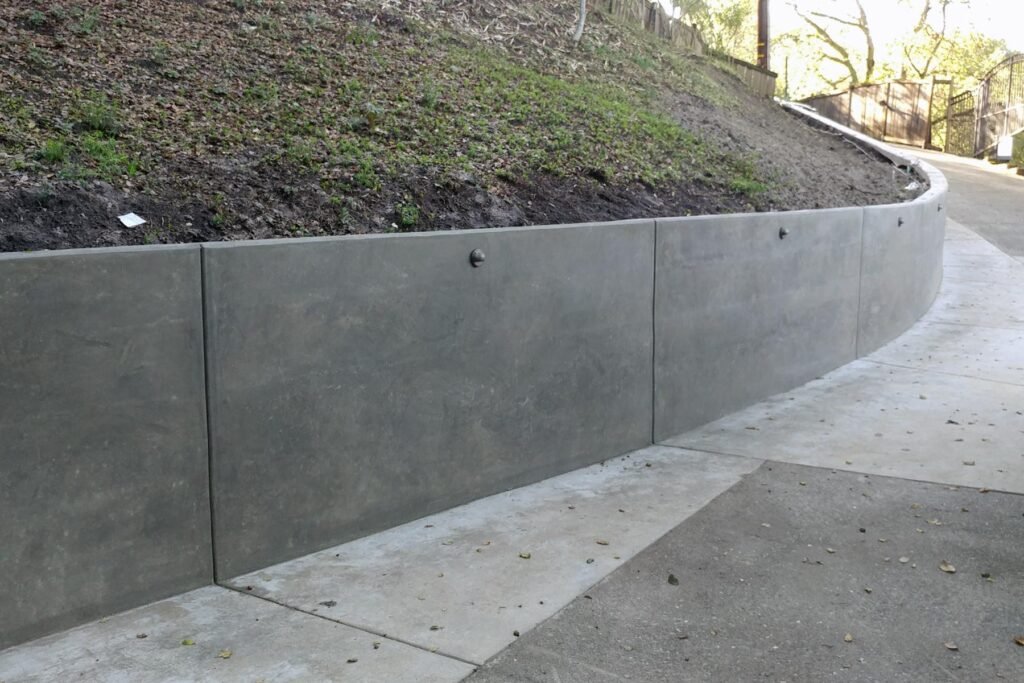
New Retaining Wall Construction
ground-up walls for yards with no existing retaining structure.
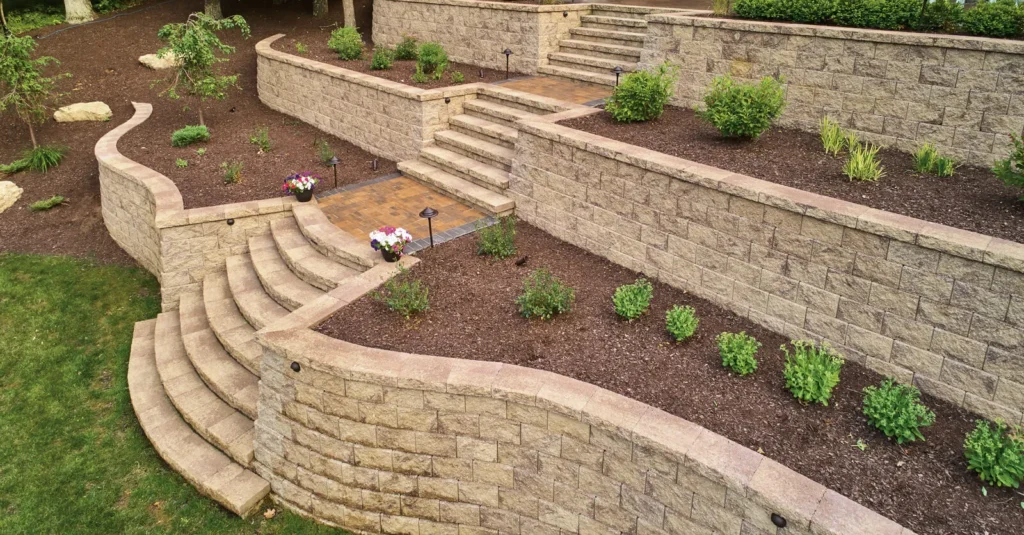
Sloped Yard & Hillside Wall Installation
walls built specifically to stabilize sloped or hillside lots.
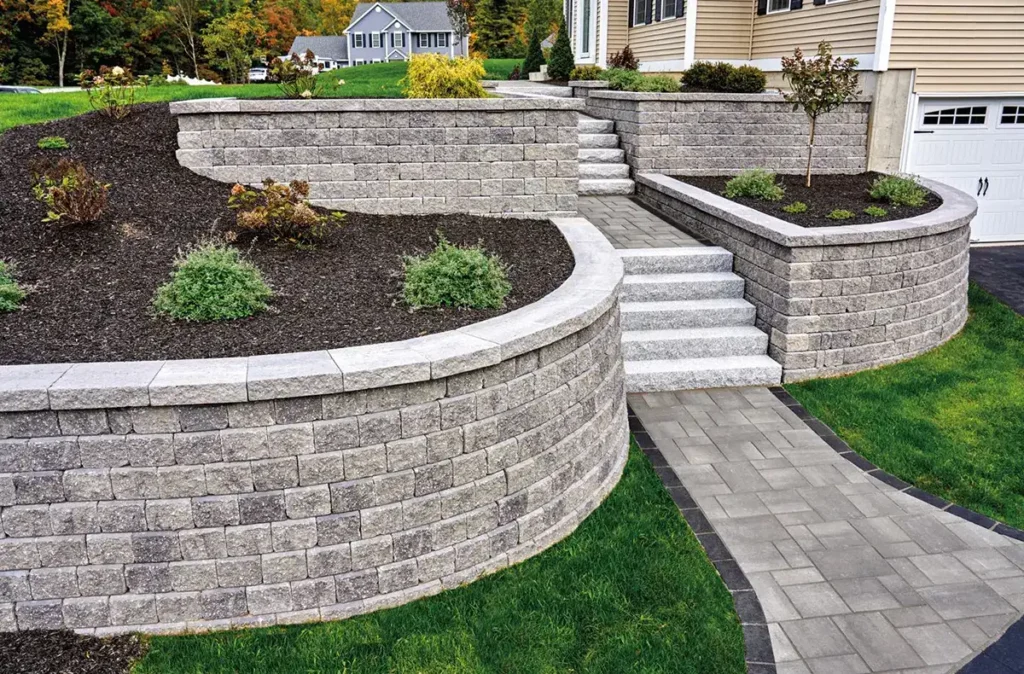
Yard Leveling & Terracing
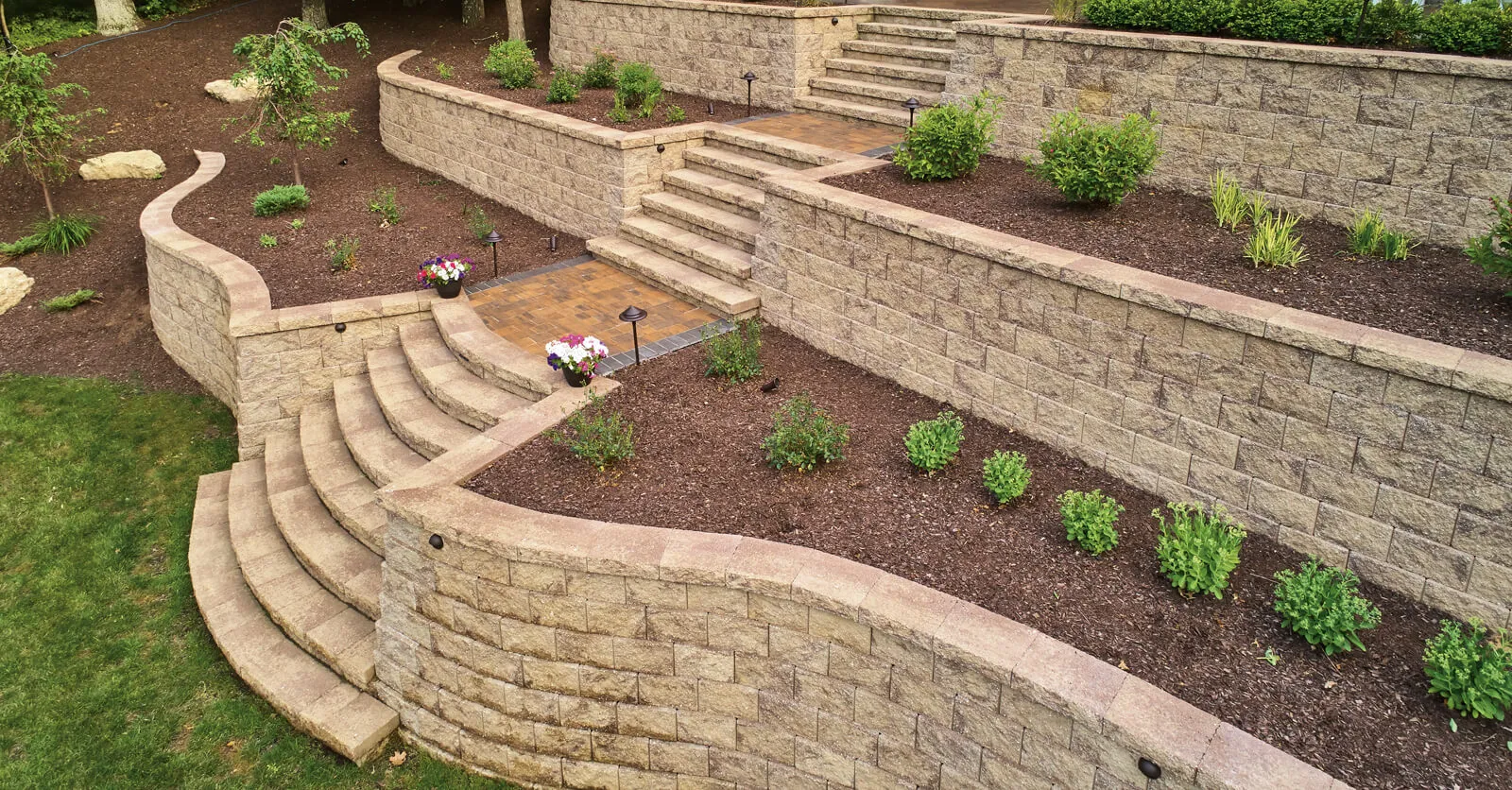
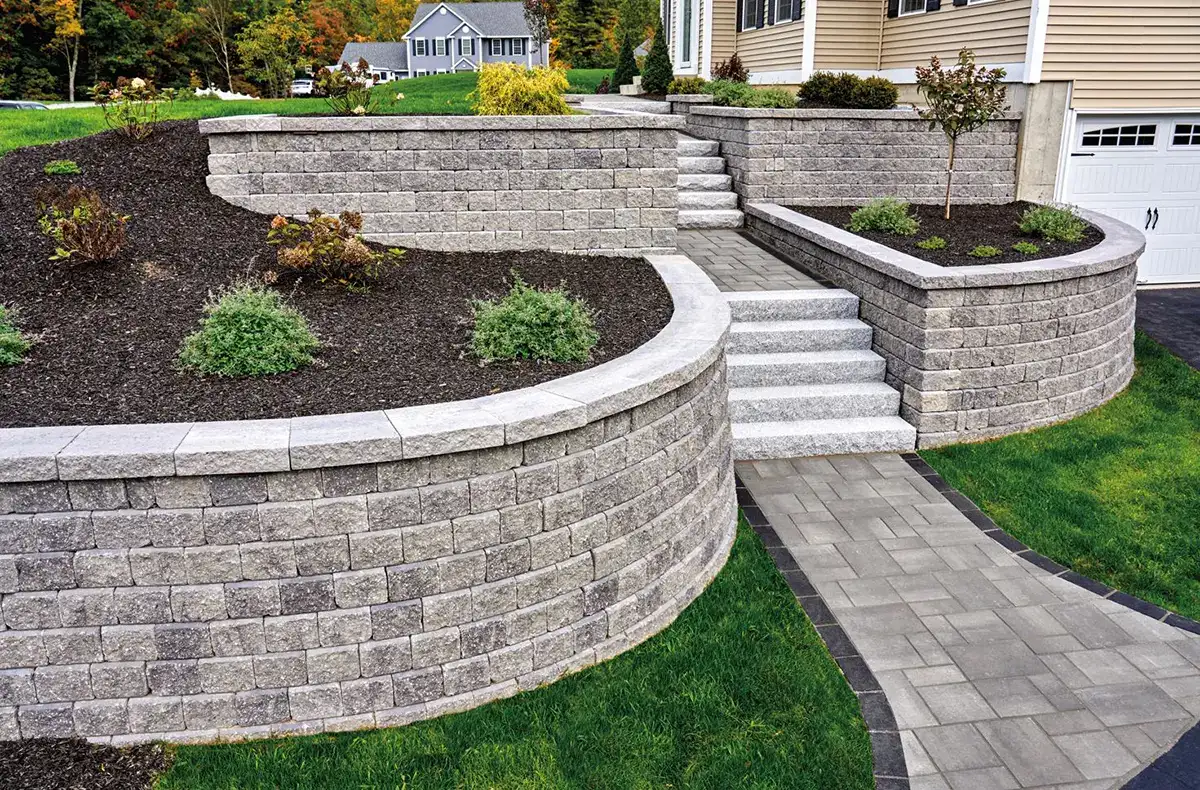
multi-tier/terraced wall systems that turn a slope into usable flat space.
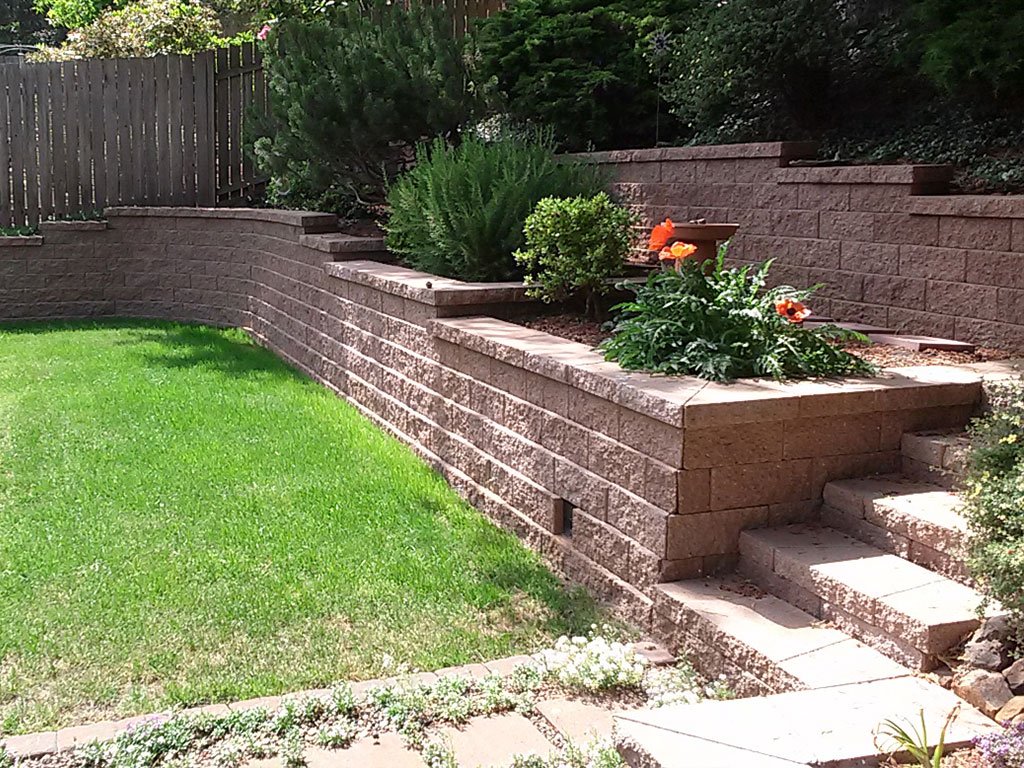
Drainage-Integrated Wall Installation
installation with built-in drainage systems (French drains, gravel backfill, weep holes) as the focal service.
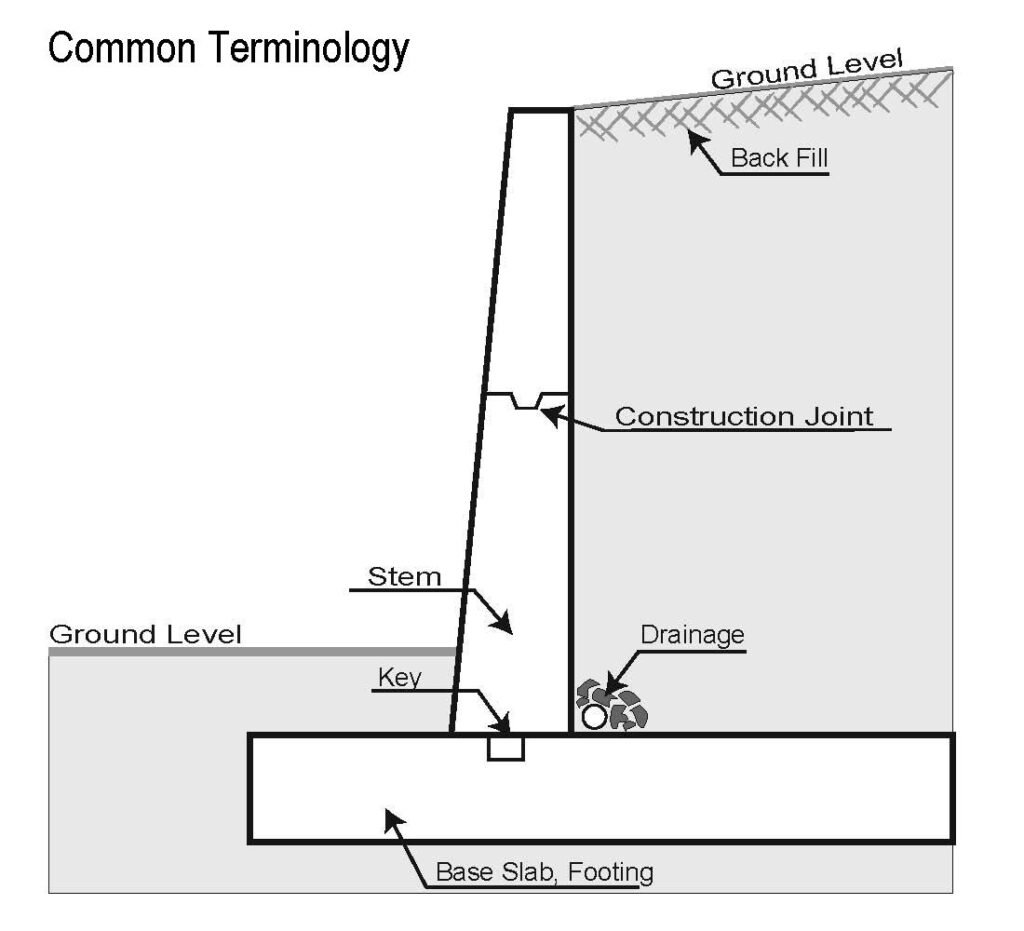
Erosion Control Retaining Walls
walls installed primarily to stop soil erosion on vulnerable slopes or drainage paths.
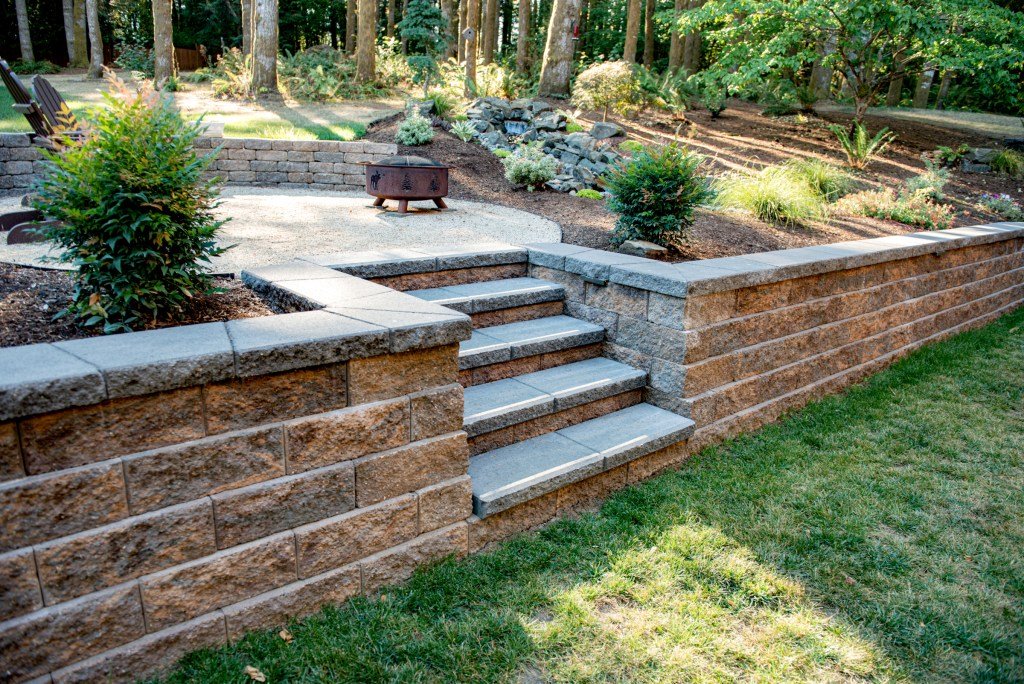
Property Line & Boundary Retaining Walls
walls built along property boundaries, driveways, or grade transitions between neighboring lots.
Benefits of Retaining Walls for Imperial Beach Homeowners
Improves Property Functionality
A retaining wall turns an awkward slope into usable, level ground. This can open up space for a patio, garden, storage area, or play space that wasn't practical on a sloped lot before.
Helps Manage Slopes and Soil Movement
Retaining walls resist the natural tendency of soil to slide or shift downhill over time, especially after heavy rain. This helps protect nearby structures, walkways, and landscaping from gradual soil movement.
Improves Drainage and Erosion Control
A properly built retaining wall includes drainage that redirects water away from the base of the structure and surrounding soil. This reduces surface erosion and helps prevent water from pooling against fences, foundations, or hardscape.
Creates More Usable Outdoor Space
By flattening a slope, a retaining wall can effectively add functional square footage to a yard. This is especially valuable on smaller residential lots where every usable section of outdoor space matters.
Enhances Landscape Appearance
Retaining walls can be designed to complement existing landscaping, whether that means clean concrete lines, natural stone texture, or tiered planting beds. A well-designed wall often becomes a visual feature rather than just a functional structure.
Supports Long-Term Property Improvements
A properly engineered wall provides a stable foundation for future landscaping, hardscape, or outdoor living projects. Addressing soil retention correctly the first time helps avoid costly problems with later additions like patios, walkways, or fencing.
Let's Start Your Retaining Wall Project in Imperial Beach
Let’s chat about your ideas! Getting started is easy – simply reach out with details about your retaining wall project!
Retaining Wall Installation in Imperial Beach, CA
Imperial Beach sits along San Diego’s southern coastline, with a mix of coastal residential streets, beach-adjacent properties, and inland neighborhoods that transition toward the surrounding South Bay communities. The city’s coastal climate brings mild temperatures year-round, along with occasional heavy winter rains that test how well a property manages drainage and erosion.
Housing in the area ranges from smaller coastal lots near the pier and Seacoast Drive to larger residential parcels further from the water. Many yards include some degree of grade change, whether from a sloped lot, a raised planter area, or a transition between a driveway and yard, all of which can benefit from proper soil retention.
Imperial Beach at a Glance
- Location: Coastal city in southern San Diego County, bordering the Pacific Ocean
- Community characteristics: Mix of beach-adjacent residential streets and inland neighborhoods
- Climate: Mild, coastal Southern California climate with a distinct rainy season
- Terrain: Generally flat near the coastline, with more grade variation moving inland and toward surrounding hillside communities
- Housing: Primarily single-family residential homes with a range of lot sizes and yard layouts
Why Imperial Beach Homeowners May Need Retaining Walls
Coastal and inland properties in the area can experience erosion where landscaping meets a slope or grade change, especially during seasonal rains. Retaining walls help hold that soil in place, protecting plantings, walkways, and adjacent hardscape from gradual erosion.
Grading changes near driveways, fences, or property lines can also benefit from a retaining wall to keep soil from shifting over time. Not every property needs a retaining wall, but for lots with a slope, drainage issue, or a desire for more usable outdoor space, a properly built wall can make a meaningful difference.
How Much Does Retaining Wall Installation Cost in Imperial Beach?
Retaining wall pricing varies widely based on wall height, length, material, drainage requirements, and site access. The table below reflects broad industry ranges for planning purposes.
| Project Type | Typical Cost Range | Factors Affecting Price |
|---|---|---|
| Small block retaining wall (under 3 ft) | $30 – $60 per sq. ft. | Wall height, block type, drainage, site access |
| Segmental/modular block wall (3–6 ft) | $40 – $80 per sq. ft. | Reinforcement, excavation, base prep |
| Poured concrete retaining wall | $50 – $110 per sq. ft. | Formwork, steel reinforcement, wall height |
| Natural stone retaining wall | $45 – $100 per sq. ft. | Stone type, labor for fitting, site access |
| Hillside/reinforced retaining wall | $60 – $130+ per sq. ft. | Engineering, reinforcement, soil conditions, drainage system |
| Retaining wall repair | $1,500 – $12,000+ per project | Extent of damage, wall material, drainage correction |
These ranges are broad industry estimates, not guaranteed pricing. Actual cost depends on your property’s specific dimensions, soil conditions, drainage needs, materials, and site access.
Factors That Affect Retaining Wall Cost
- Wall height and length
- Material selection
- Excavation requirements
- Soil conditions
- Drainage system complexity
- Backfill material and volume
- Reinforcement needs
- Engineering review, when required
- Site access for equipment
- Presence of existing structures nearby
- Landscaping or hardscape removal
- Overall labor complexity
Local Imperial Beach Factors That Can Affect Cost
Imperial Beach’s coastal setting means some properties deal with sandy soil, higher moisture content, or salt-air exposure that can influence material selection and drainage design. Not every property shares these conditions — lot size, existing landscaping, and grading vary block by block across the South Bay.
Homes closer to the coast may need drainage planning that accounts for a higher water table, while properties further inland or on hillside lots may face different soil and slope challenges. Access limitations, such as narrow side yards or limited equipment access, can also affect labor time and overall cost on some residential lots.
Why Detailed Estimates Matter
An accurate estimate starts with precise measurements of wall height, length, and the site’s soil and drainage conditions. Material selection and reinforcement requirements are determined during a site evaluation, not guessed from a phone call.
A clear, detailed estimate outlines the full project scope — including drainage work and backfill — so homeowners understand what’s included before work begins. This upfront clarity helps avoid unexpected costs once excavation starts.
Types of Retaining Wall Materials
Poured Concrete Retaining Walls
Poured concrete offers high strength and can be formed into custom shapes, curves, or taller wall profiles. It requires formwork and, often, steel reinforcement, which typically means a longer installation timeline and higher labor cost compared to modular options. Drainage behind poured concrete walls is essential to prevent hydrostatic pressure from building against the structure.
Concrete Block Retaining Walls
Standard concrete block walls are durable and relatively straightforward to install in consistent courses. They work well for a range of residential wall heights and offer a clean, uniform appearance. Cost is generally moderate, with drainage gravel and reinforcement added as needed based on wall height.
Segmental Retaining Wall Blocks
Segmental blocks are engineered, interlocking units designed specifically for retaining wall construction. They offer strong structural performance, faster installation than poured concrete, and a wide range of color and texture options. These systems are commonly reinforced with geogrid on taller walls and are a popular mid-range option for both cost and appearance.
Natural Stone Retaining Walls
Natural stone provides a unique, non-uniform appearance that many homeowners prefer for garden or hillside settings. Because stone must be selected and fitted individually, labor time and material cost are typically higher than manufactured block. Durability is strong when the wall is built with proper base preparation and drainage.
Brick or Masonry Retaining Walls
Brick or masonry walls offer a traditional, structured appearance that can match existing home architecture. They perform well for shorter to moderate wall heights and require solid footings and consistent mortar work. Drainage weep holes or a drainage system behind the wall help prevent moisture-related damage over time.
Reinforced Retaining Walls
Taller walls, or walls supporting significant soil loads, often require reinforcement such as geogrid layers, rebar, or deadmen anchors extending into the backfill. Reinforcement adds to material and labor cost but significantly improves long-term stability. This approach is common on hillside properties or walls exceeding a few feet in height.
No single material is universally “best” — the right choice depends on wall height, soil conditions, budget, and the look a homeowner wants for their property.
Retaining Wall Design Considerations
Several factors influence how a retaining wall is designed, and each one affects safety, durability, appearance, and cost:
- Wall height – Taller walls face greater soil pressure and often require reinforcement or engineering review.
- Wall length – Longer walls may need expansion joints and consistent drainage along their full run.
- Soil pressure – Soil type and moisture content determine how much lateral force the wall must resist.
- Drainage – Poor drainage is one of the leading causes of wall failure and must be planned before construction begins.
- Footing/base preparation – A compacted, properly sized base supports the entire structure above it.
- Backfill – The material placed behind the wall affects both drainage and the load the wall must carry.
- Reinforcement – Geogrid, rebar, or anchors add stability for taller or more heavily loaded walls.
- Wall material – Material choice affects appearance, strength, and installation method.
- Property boundaries – Wall placement must respect boundary lines and any easements.
- Existing landscaping – Trees, irrigation, and plantings can affect excavation and design choices.
- Access to the work area – Limited access can affect equipment use and labor time.
- Surface water – Runoff patterns on the property influence drainage design and wall placement.
Getting these details right up front helps avoid problems that are far more expensive to fix after a wall is built than to plan for beforehand.
Why Choose Retaining Wall Installer Imperial Beach?
Local Knowledge of Imperial Beach Properties
Understanding local property layouts, coastal soil conditions, and drainage patterns helps inform smarter retaining wall planning across the South Bay. Homes near the coast in areas like Palm City and along the Bayshore Bikeway corridor often have different soil and drainage considerations than hillside lots further inland.
Communities such as Eastlake Greens, Eastlake Trails, and Eastlake Vistas in Chula Vista feature graded, terraced lots where hillside retaining walls are common. Otay Ranch neighborhoods, including areas near Montecito and Escaya, often include sloped yards that benefit from soil retention and drainage planning.
In National City, properties around Las Palmas and Kimball Park may deal with older grading and drainage patterns that affect how a new wall should be designed. Bonita neighborhoods like Bonita Long Canyon and Central Bonita frequently include hillside lots where erosion control is a common concern, while homes in San Ysidro near Beyer Heights may need retaining solutions suited to tighter residential lot layouts.
Quality Materials and Construction Practices
Wall performance depends on more than the material itself — proper base compaction, drainage installation, and backfill placement all contribute to long-term durability. We focus on getting these fundamentals right on every project, regardless of which material is chosen.
Attention to Drainage and Site Preparation
Drainage is one of the most important factors in a retaining wall’s lifespan, and it’s addressed at every stage of planning and construction. Proper site evaluation, base preparation, and drainage design work together to reduce the risk of future leaning, cracking, or bulging.
Clear Communication From Start to Finish
Homeowners deserve to understand what’s happening with their project at every stage, from initial site evaluation through final backfill and grading. We walk through material options, drainage plans, and project scope before any work begins.
Homeowner-Focused Service
Every property has different soil, slope, and drainage conditions, and a good retaining wall plan reflects those specific site details rather than a one-size-fits-all approach. Our goal is to help you understand your options so you can make an informed decision about your project.
Areas We Serve
We provide retaining wall installation and repair services throughout Imperial Beach and the surrounding South Bay communities, including:
- Chula Vista – including neighborhoods such as Rancho Del Rey, Rolling Hills Ranch, and Terra Nova
- Eastlake – including Eastlake Greens, Eastlake Trails, and Eastlake Vistas
- Otay Ranch – including areas near Montecito, Escaya, and Windingwalk
- National City – including Las Palmas and areas near Kimball Park
- Imperial Beach – including Palm City and the Seacoast Drive corridor
- Bonita – including Bonita Long Canyon and Central Bonita
- San Ysidro – including Beyer Heights and surrounding residential streets
If your neighborhood isn’t listed above, reach out — we’re happy to discuss your project and confirm whether your area is within our service range.
Need Help?
Frequently Asked Questions About Retaining Wall Installation in Imperial Beach
Below are some of the most common questions Our Network get from families about Retaining Wall. If you have any other questions contact us!
How much does a retaining wall cost in Imperial Beach?
Most residential retaining walls fall somewhere between $30 and $110 per square foot, depending on material, height, and drainage requirements. Smaller block walls under 3 feet tend to be on the lower end, while poured concrete or reinforced hillside walls run higher. A site evaluation is the only way to get an accurate number for your specific project.
How long does retaining wall installation take?
Most residential retaining wall projects take anywhere from a few days to two to three weeks, depending on wall length, height, and site conditions. Smaller walls under 3 feet with easy access may be completed faster, while taller or longer walls requiring reinforcement and extensive drainage work take longer. Weather and site access can also affect the overall timeline.
What type of retaining wall is best for a residential property?
There isn’t one “best” wall type for every property — it depends on wall height, soil conditions, budget, and desired appearance. Segmental block walls are a popular mid-range option for moderate heights, while poured concrete and natural stone suit different design and structural needs. A site evaluation helps determine which material fits your specific yard.
How do retaining walls handle drainage?
Properly built retaining walls include gravel backfill and a perforated drain pipe behind the structure to relieve water pressure. Without this drainage system, water can build up behind the wall and create hydrostatic pressure, which is one of the most common causes of leaning or bulging. Drainage design should be part of the initial wall planning, not an afterthought.
When should a retaining wall be repaired instead of replaced?
Repair is often appropriate when damage is limited to a small section and the wall’s overall base and structure remain sound. Replacement tends to make more sense when a wall shows widespread leaning, significant bulging, or has failed multiple times after previous repairs. A site inspection can help determine which option makes more sense for your specific wall.
Can retaining walls prevent erosion?
Yes, retaining walls are commonly used to control erosion by holding soil in place on sloped or graded areas. They work alongside proper drainage and grading to redirect water away from vulnerable soil. However, a wall alone won’t fully control erosion if surface drainage isn’t also addressed.
What factors determine the size and design of a retaining wall?
Wall size and design depend on the slope being retained, soil type, drainage conditions, and the amount of usable space a homeowner wants to create. Taller or longer walls generally require more extensive reinforcement and drainage planning. A site evaluation considers all of these factors together to determine the right design for your property.
Contact Retaining Wall Installer Imperial Beach Today
Whether you’re dealing with a sloped yard, erosion concerns, or a retaining wall showing signs of damage, we’re here to help homeowners throughout Imperial Beach, Chula Vista, Eastlake, Otay Ranch, National City, Bonita, and San Ysidro plan the right solution for their property. We’ll walk you through material options, drainage considerations, and design factors so you can make an informed decision about your project.
Every property is different, and a free, no-pressure consultation is the best way to get accurate answers for your specific yard, slope, and soil conditions.