Hillside Retaining Walls in Imperial Beach, CA
As a local hillside retaining wall contractor serving Imperial Beach, we design and build walls engineered to stabilize sloped properties throughout the South Bay. Hillside sites face greater soil pressure and erosion risk than flat lots, which makes proper drainage, reinforcement, and engineering-aware design especially important.
What Is a Hillside Retaining Wall?
A hillside retaining wall is built specifically to stabilize soil on a sloped property, resisting the greater lateral pressure and erosion risk that comes with elevation change. These walls often support taller sections of soil than walls on flat lots, since they’re working against gravity across a steeper grade.
Hillside properties commonly need retaining walls to prevent soil from sliding or eroding downhill, especially during heavy rain. Homeowners also use hillside walls to create usable flat terraces on a lot that would otherwise be too steep for a patio, garden, or play area.
Site preparation for a hillside wall starts with a thorough evaluation of the slope angle, soil type, and how water moves across the property, since these factors directly affect wall design. Excavation on a slope requires more careful planning than on flat ground, often working in stages to maintain slope stability during construction.
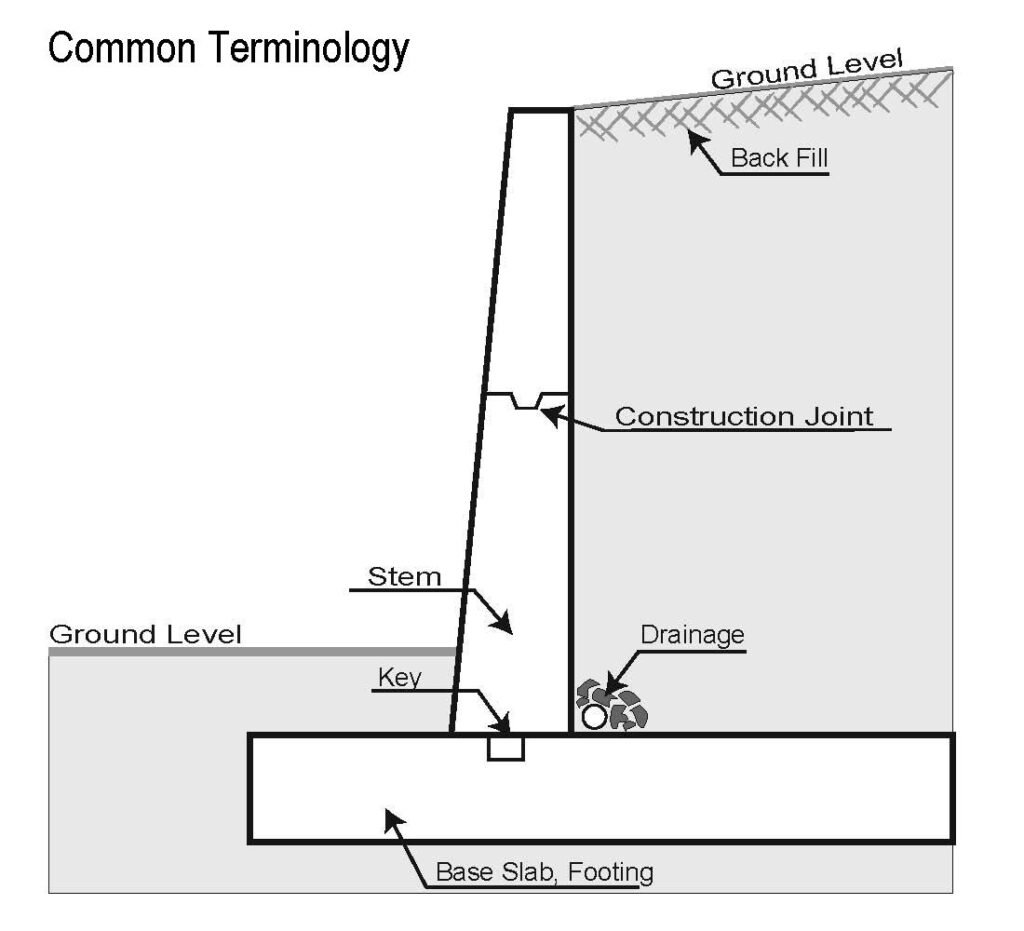
A properly sized footing is critical on hillside sites, where soil pressure is greater and uneven settling can have more significant consequences. Drainage is especially important here, since water naturally flows toward the base of a slope and can concentrate pressure behind a hillside wall if not properly managed.
Backfill is placed and compacted in layers, with reinforcement — geogrid, deadmen anchors, or engineered tiebacks — added based on the wall’s height and the soil load it needs to resist. Taller hillside walls, or those near structures, often benefit from engineering review to confirm the design matches the site’s specific slope and soil conditions.
When these elements are addressed correctly, hillside retaining walls provide long-term slope stability while opening up usable space on a property that would otherwise be difficult to use.
Hillside Retaining Wall Services in Imperial Beach
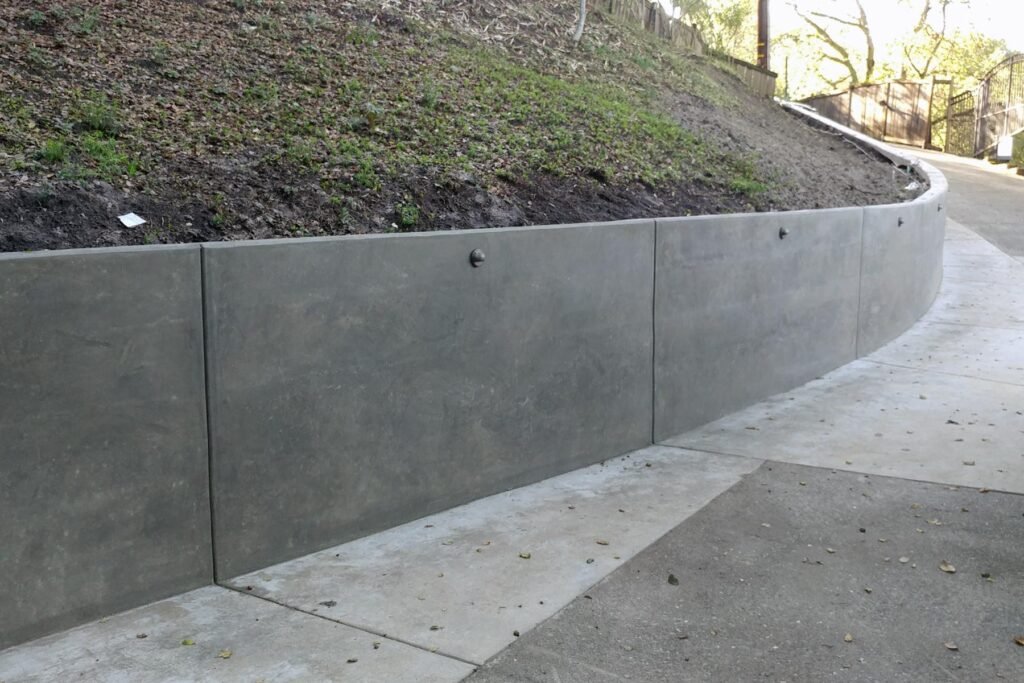
Slope Stabilization Walls
These walls are built primarily to hold soil in place on a sloped property, reducing the risk of erosion or soil movement over time. Slope stabilization is often the first priority on hillside lots before any other landscaping work begins.
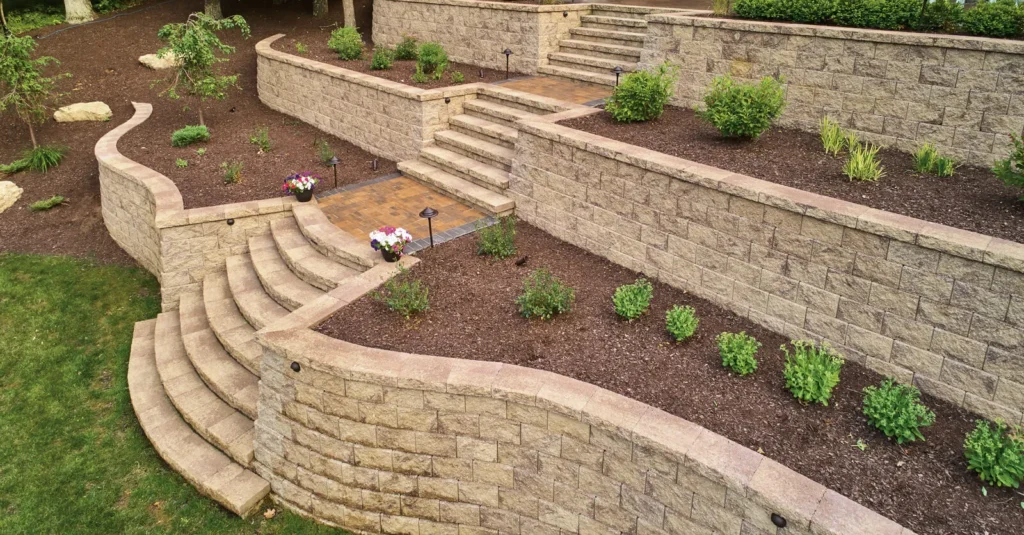
Terraced Hillside Wall Systems
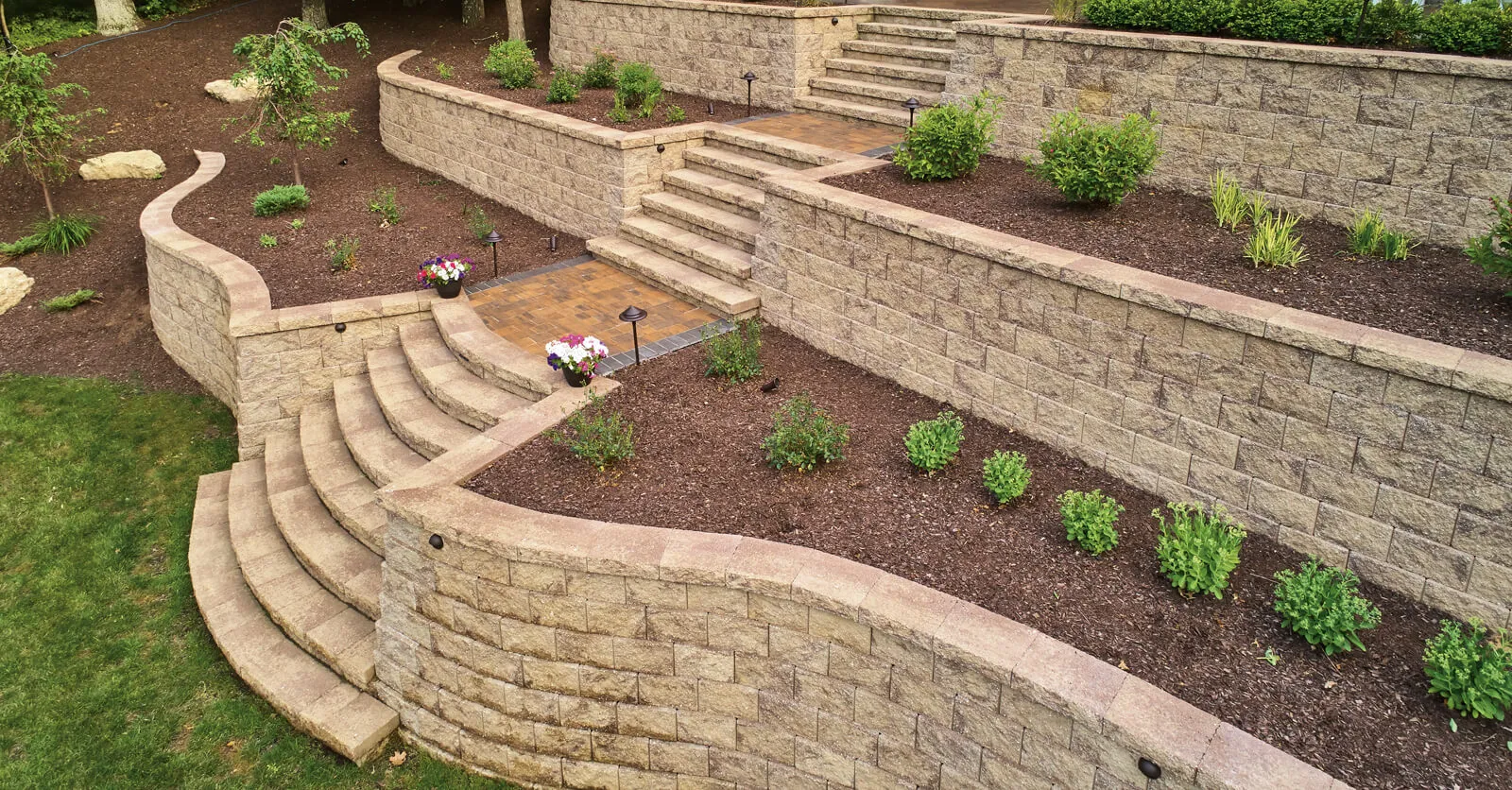
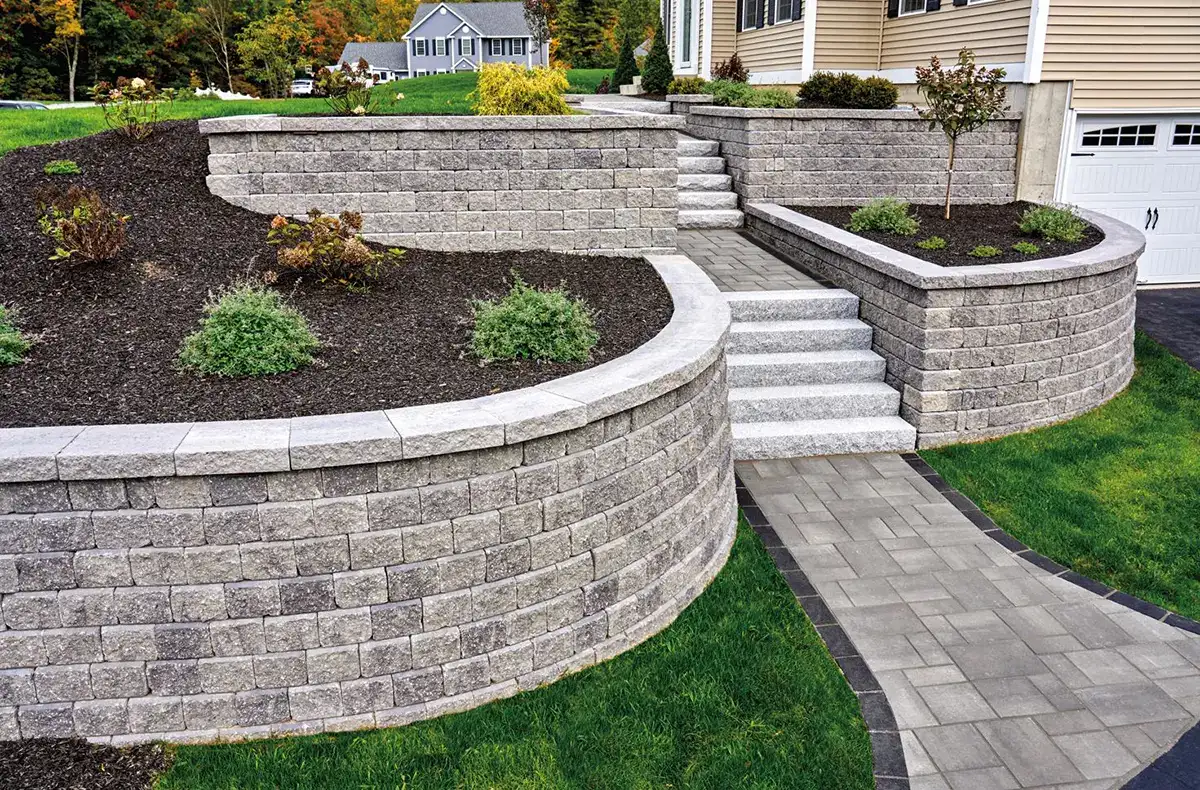
Rather than one tall wall, a terraced system uses multiple shorter walls stepped down a slope, distributing soil pressure across several structures. This approach also creates multiple flat, usable areas across an otherwise steep yard.
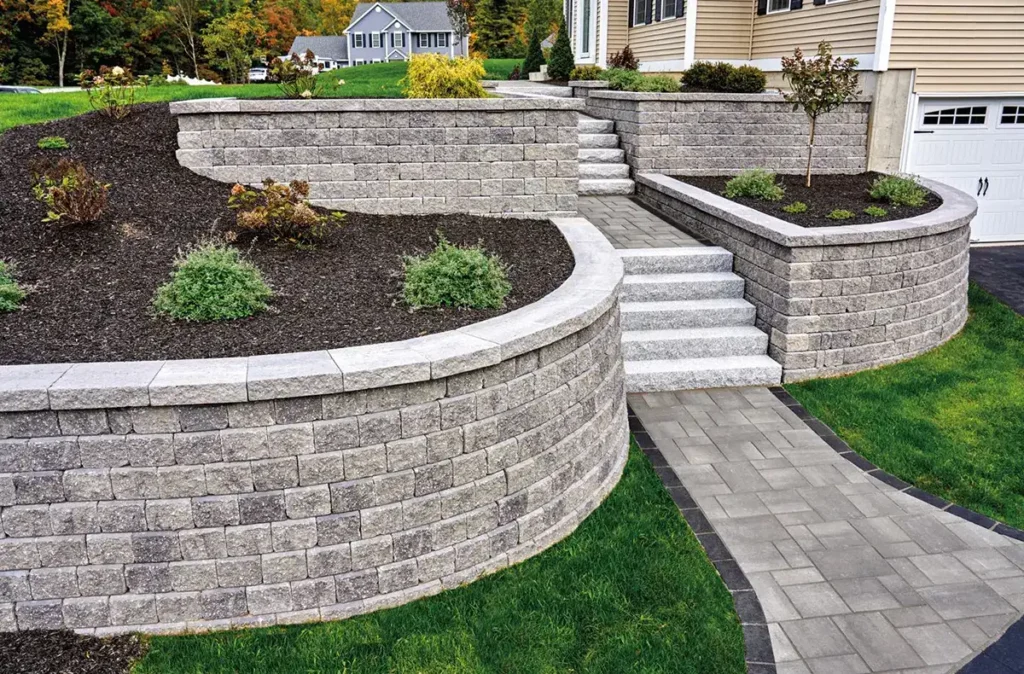
Reinforced Hillside Retaining Walls
Taller hillside walls typically require geogrid reinforcement, deadmen anchors, or other engineered reinforcement extending into the backfill. This added stability helps the wall resist the greater soil pressure common on steep slopes.
Erosion Control Hillside Walls
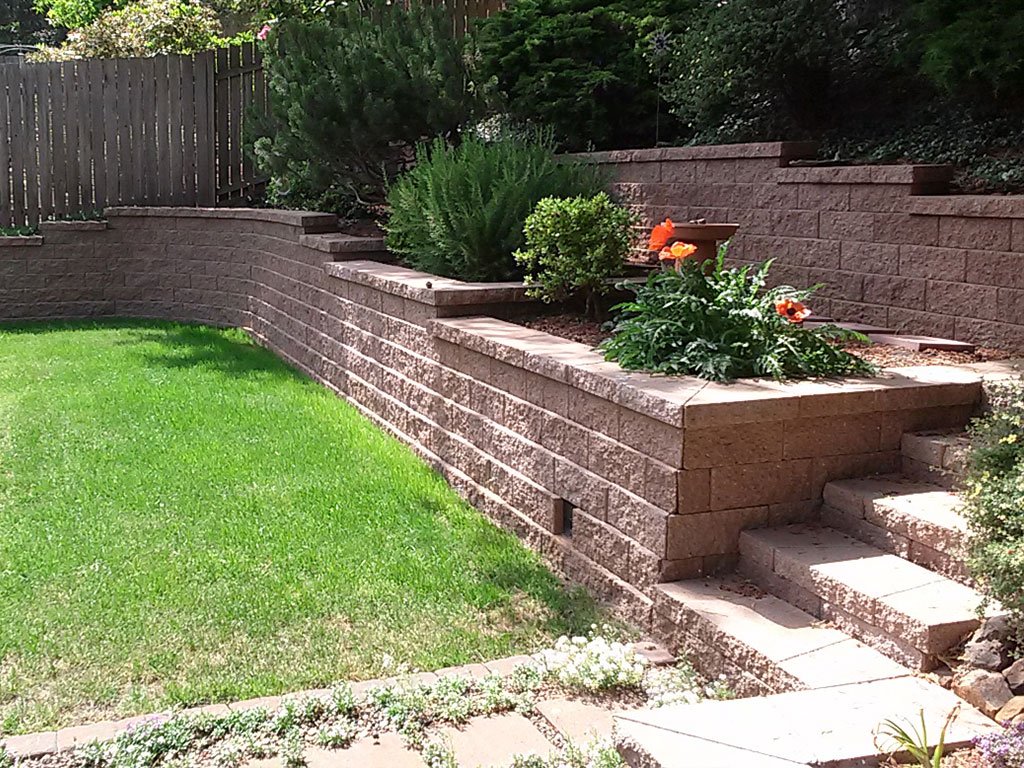
Walls focused on erosion control are designed to hold soil in place along vulnerable slopes, drainage paths, or areas prone to runoff. These often pair with additional drainage measures to redirect water safely away from the slope.
Usable Yard Space Conversion Walls
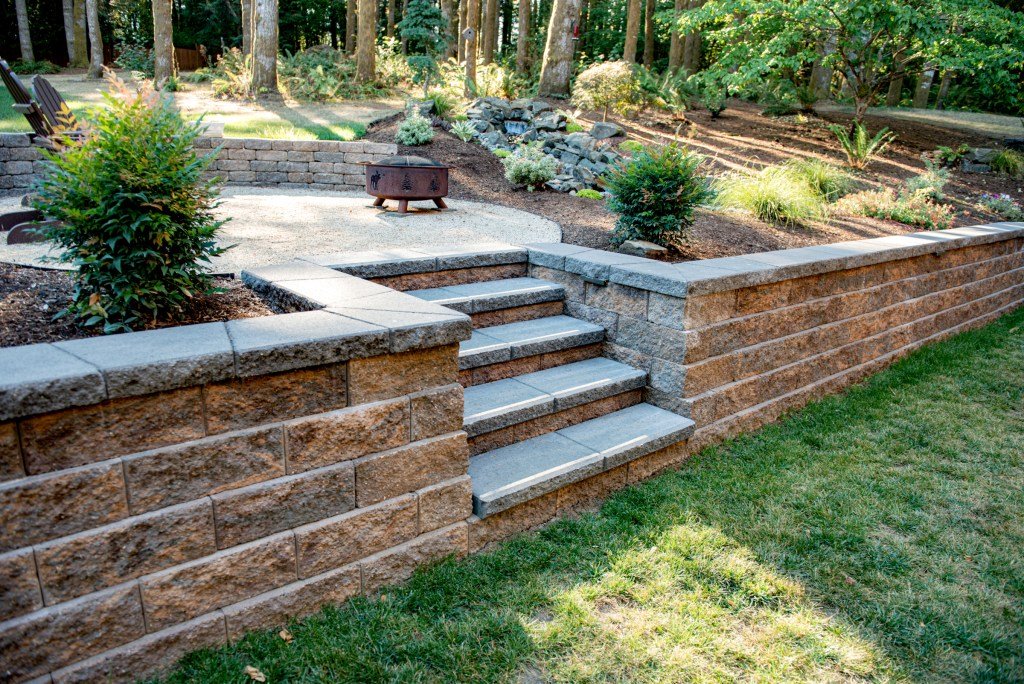
These walls are designed specifically to transform an unusable sloped section of yard into flat, functional outdoor space for a patio, garden, or play area. Design here focuses as much on creating a level, stable surface as on the wall’s structural role.
Engineered Hillside Retaining Walls
Taller walls, or those supporting structures nearby, often call for engineering review to confirm the wall design meets the specific demands of the site’s slope, soil, and load conditions. This step adds an extra layer of confidence for more complex hillside projects.
Benefits of Hillside Retaining Walls for Imperial Beach Homeowners
Reduces Erosion and Soil Loss
A properly built hillside wall holds soil in place that would otherwise gradually erode downhill, particularly during heavy rain. This protects both the immediate area and anything downhill, such as neighboring property or drainage paths.
Creates Usable Space on Steep Lots
Terracing a slope with retaining walls can turn an unusable hillside into functional outdoor space for a patio, garden, or seating area. This effectively adds livable square footage to a property that was previously difficult to use.
Protects Structures and Foundations
Soil movement on a slope can put pressure on nearby foundations, patios, or fences over time. A well-designed hillside wall helps redirect that pressure safely, protecting other features on the property.
Improves Long-Term Drainage Management
Hillside walls are typically built with drainage systems designed for the greater water flow common on sloped sites. This helps manage runoff more effectively than an unretained slope alone.
Increases Property Value and Usability
Converting a steep, unusable slope into terraced, functional yard space can meaningfully improve a property's overall livability. Many homeowners see this as a long-term investment in how their outdoor space can be used.
Reduces Long-Term Maintenance on Slopes
Stabilized slopes generally require less ongoing erosion repair, replanting, or soil replacement than unretained hillside areas exposed to seasonal rain. This can reduce the recurring maintenance burden of managing a sloped yard.
Let's Start Your Retaining Wall Project in Imperial Beach
Let’s chat about your ideas! Getting started is easy – simply reach out with details about your retaining wall project!
Hillside Retaining Walls in Imperial Beach, CA
Imperial Beach’s coastal setting is generally flat near the shoreline, but grade variation increases moving inland toward the surrounding South Bay communities. Hillside properties in these inland areas face greater soil pressure and erosion risk than the flatter coastal lots closer to the water.
Seasonal winter rains put added stress on hillside slopes throughout the region, making drainage design and slope stabilization especially important for inland and terraced properties. Housing on hillside lots often includes graded yards where a level building pad transitions into a steeper slope, creating a natural need for retaining structures.
Imperial Beach at a Glance
- Location: Coastal city in southern San Diego County, bordering the Pacific Ocean
- Community characteristics: Mix of beach-adjacent residential streets and inland neighborhoods
- Climate: Mild, coastal Southern California climate with a distinct rainy season
- Terrain: Generally flat near the coastline, with more grade variation moving inland and toward surrounding hillside communities
- Housing: Primarily single-family residential homes, with hillside and terraced lots more common further from the coast
Why Hillside Retaining Walls May Be Useful for South Bay Homeowners
Sloped properties inland from the coast, particularly in hillside neighborhoods of Chula Vista, Eastlake, Otay Ranch, and Bonita, often benefit from retaining walls to manage erosion and create usable yard space. Grading changes on these lots can leave homeowners with steep, difficult-to-use sections of yard without proper stabilization.
Not every hillside property needs a retaining wall, and the right approach depends on slope angle, soil type, and how a homeowner wants to use their outdoor space. A site evaluation is the most reliable way to determine what your specific slope requires.
How Much Do Hillside Retaining Walls Cost in Imperial Beach?
Hillside retaining wall pricing depends on slope angle, wall height, material, and reinforcement needs. The table below reflects broad industry ranges for planning purposes.
| Project Type | Typical Cost Range | Factors Affecting Price |
|---|---|---|
| Single hillside wall (3–6 ft) | $55 – $100 per sq. ft. | Slope angle, material, reinforcement |
| Reinforced hillside wall (6 ft+) | $70 – $130 per sq. ft. | Geogrid/tieback reinforcement, engineering, soil conditions |
| Terraced hillside wall system | $60 – $110 per sq. ft. (combined) | Number of tiers, total height, drainage per tier |
| Erosion control wall | $50 – $95 per sq. ft. | Drainage scope, slope length, material |
| Engineered hillside wall (permit-level design) | $80 – $150+ per sq. ft. | Engineering review, structural loading, complexity |
| Hillside wall repair | $2,000 – $15,000+ per project | Extent of damage, slope factors, reinforcement, drainage correction |
These ranges are broad industry estimates, not guaranteed pricing. Actual cost depends on your property’s specific slope, soil conditions, materials, and site access.
Factors That Affect Hillside Retaining Wall Cost
- Slope angle and total elevation change
- Wall height and length
- Material selection
- Excavation complexity on sloped terrain
- Soil conditions and stability
- Drainage system scope
- Reinforcement requirements
- Engineering review, when required
- Site access for equipment and materials
- Erosion control measures during construction
- Overall labor complexity
Local Imperial Beach Factors That Can Affect Cost
Hillside properties further inland toward Chula Vista, Eastlake, Otay Ranch, and Bonita often face steeper grade changes than the flatter terrain closer to the Imperial Beach coastline. Coastal moisture and sandy soil in some areas can also influence drainage design and reinforcement needs, though conditions vary by property.
Site access is frequently a bigger factor on hillside projects, since sloped terrain can limit where equipment can safely operate. Properties with limited access may require more manual labor or staged construction, which can affect overall project cost.
Why Detailed Estimates Matter
Hillside wall pricing depends on precise measurements of slope angle, wall height, and soil conditions gathered during a site evaluation. Reinforcement needs, drainage design, and whether engineering review is warranted are determined based on your property’s specific terrain, not a generic estimate.
A clear, detailed estimate outlines the full project scope — including reinforcement, drainage, and any engineering involvement — so homeowners understand what’s included before work begins.
Hillside Retaining Wall Materials
Segmental Block for Hillside Walls
Segmental block systems adapt well to terraced hillside designs, offering strong reinforcement compatibility and a modular installation process. They’re a common choice for stepped hillside wall systems on residential properties.
Reinforced Concrete for Steep Slopes
Poured concrete, especially when reinforced, offers strong performance for taller hillside walls facing significant soil pressure. Its rigidity works well when paired with a properly engineered drainage system.
Natural Stone for Hillside Terracing
Natural stone can suit hillside properties with established landscaping, blending structural function with a natural aesthetic across terraced sections. Stone’s weight also contributes to wall stability on sloped sites.
Geogrid-Reinforced Systems
Geogrid reinforcement extends into the backfill behind a wall, distributing soil load across a wider area and significantly improving stability on steep slopes. This reinforcement approach is common across multiple wall materials on hillside projects.
Boulder Retaining Systems for Slopes
Large boulders can be used to stabilize steep slopes, particularly on larger properties where a more rugged, natural appearance suits the terrain. Boulder placement on hillsides often requires careful equipment access planning.
No single material or system is universally “best” for hillside applications — the right choice depends on slope angle, soil conditions, wall height, and the property’s specific layout.
Hillside Retaining Wall Design Considerations
Several factors shape how a hillside retaining wall is designed, and each affects safety, durability, appearance, and cost:
- Slope angle – Steeper slopes generally require more extensive reinforcement and engineering consideration.
- Wall height – Hillside walls often need to be taller than flat-lot walls to manage the full elevation change.
- Soil pressure – Soil type and moisture content on a slope directly affect how much lateral force a wall must resist.
- Drainage – Water naturally concentrates at the base of a slope, making drainage design especially critical.
- Footing/base preparation – A properly sized footing on sloped terrain supports the entire structure above it.
- Reinforcement – Geogrid, deadmen anchors, or tiebacks add stability for taller or more heavily loaded hillside walls.
- Terracing vs. single wall – Multiple shorter walls can reduce pressure compared to one tall structure.
- Site access – Hillside terrain can limit equipment access, affecting construction method and timeline.
- Erosion control during construction – Temporary measures may be needed to manage runoff while work is underway.
- Engineering review – Taller or more complex hillside walls often benefit from engineering input to confirm the design.
Getting these details right during planning is especially important on hillside sites, where the consequences of an undersized or poorly drained wall are more significant than on flat ground.
Why Choose Retaining Wall Installer Imperial Beach for Hillside Walls?
Local Knowledge of Imperial Beach Properties
Understanding local slope patterns, soil conditions, and drainage behavior helps inform smarter hillside wall planning across the South Bay. Terraced neighborhoods in Chula Vista’s Eastlake Greens, Eastlake Trails, and Eastlake Vistas commonly feature graded lots where hillside retaining is a routine consideration.
Otay Ranch communities near Montecito, Escaya, and Windingwalk frequently include sloped yards suited to terraced hillside systems. In National City, older graded properties near Las Palmas and Kimball Park may require careful evaluation of existing slope stability, while hillside areas in Bonita Long Canyon and Central Bonita often see erosion-prone slopes that benefit from properly engineered walls. Homes in San Ysidro near Beyer Heights may face hillside challenges tied to varied lot grading.
Quality Materials and Construction Practices
Hillside wall performance depends on proper reinforcement, footing design, and construction sequencing suited to sloped terrain. We apply these fundamentals carefully on every hillside project, given the higher stakes involved.
Attention to Drainage and Site Preparation
Drainage is especially critical on hillside sites, where water naturally concentrates as it flows downhill. Site evaluation, staged excavation, and drainage design are addressed carefully at every stage of a hillside wall project.
Clear Communication From Start to Finish
Homeowners deserve to understand the slope analysis, reinforcement, and drainage decisions behind their hillside wall before work begins. We walk through these details clearly, including when engineering review may be recommended.
Homeowner-Focused Service
Every hillside property has different slope, soil, and drainage conditions, and a good wall plan reflects those specific site details rather than a one-size-fits-all approach. Our goal is to help you understand your options so you can make an informed decision about your slope.
Areas We Serve
We provide hillside retaining wall installation and repair services throughout Imperial Beach and the surrounding South Bay communities, including:
- Chula Vista – including neighborhoods such as Rancho Del Rey, Rolling Hills Ranch, and Terra Nova
- Eastlake – including Eastlake Greens, Eastlake Trails, and Eastlake Vistas
- Otay Ranch – including areas near Montecito, Escaya, and Windingwalk
- National City – including Las Palmas and areas near Kimball Park
- Imperial Beach – including Palm City and the Seacoast Drive corridor
- Bonita – including Bonita Long Canyon and Central Bonita
- San Ysidro – including Beyer Heights and surrounding residential streets
If your neighborhood isn’t listed above, reach out — we’re happy to discuss your hillside project and confirm whether your area is within our service range.
Need Help?
Frequently Asked Questions About Hillside Retaining Walls in Imperial Beach
Below are some of the most common questions Our Network get from families about Retaining Wall. If you have any other questions contact us!
How much does a hillside retaining wall cost in Imperial Beach?
Hillside retaining walls typically range from about $50 to $150 per square foot, depending on slope angle, wall height, material, and whether engineering review is required. Taller, reinforced, or engineered walls fall toward the higher end of that range. A site evaluation is the best way to get an accurate estimate for your specific slope.
Do hillside retaining walls need engineering approval?
Taller hillside walls, or those supporting structures nearby, often benefit from engineering review to confirm the design meets the site’s specific soil and load conditions. Whether formal engineering or permitting is required depends on wall height and local requirements, which should be confirmed during project planning. Shorter walls on more moderate slopes may not require the same level of engineering involvement.
How steep does a slope need to be to require a retaining wall?
There’s no single slope percentage that automatically requires a wall — the need depends on soil type, erosion risk, and how a homeowner wants to use the space. Slopes that show active erosion, soil movement, or that limit usable yard space are common candidates for retaining. A site evaluation can assess whether your specific slope would benefit from a wall.
How long does it take to build a hillside retaining wall?
Hillside projects often take longer than flat-lot walls due to more complex excavation, staged construction, and reinforcement requirements, typically ranging from two to four weeks depending on wall size and slope. Terraced systems with multiple tiers may take longer than a single wall of comparable total height. Site access and weather can also affect the timeline.
What's the difference between a single tall wall and a terraced hillside system?
A single tall wall retains the full elevation change in one structure, while a terraced system uses multiple shorter walls stepped down the slope. Terracing distributes soil pressure across several structures and creates multiple flat, usable areas rather than one retained zone. The right choice depends on total slope height, available space, and how the homeowner wants to use the yard.
Can a hillside retaining wall prevent erosion during heavy rain?
Yes, a properly designed hillside wall with adequate drainage helps hold soil in place and manage water flow during heavy rain, reducing erosion on the retained slope. However, drainage design — not just the wall itself — plays a major role in how well the system performs during storms. Poorly drained hillside walls can still experience erosion or pressure-related issues if water isn’t properly redirected.
How tall can a hillside retaining wall be?
Hillside walls can range more widely in height than flat-lot walls, sometimes from 3 feet up to 10 feet or more depending on the total elevation change being managed. Taller hillside walls typically require more extensive reinforcement and often benefit from engineering review. Terracing is a common approach when total slope height would otherwise require an unusually tall single wall.
Contact Retaining Wall Installer Imperial Beach Today
Whether you’re dealing with erosion on a slope, planning to convert a hillside into usable yard space, or need an existing hillside wall evaluated, we’re here to help homeowners throughout Imperial Beach, Chula Vista, Eastlake, Otay Ranch, National City, Bonita, and San Ysidro plan the right solution for their property. We’ll walk you through slope analysis, material options, and reinforcement needs so you can make an informed decision.
A free, no-pressure consultation is the best way to get accurate answers for your specific slope and soil conditions.