Concrete Retaining Walls in Imperial Beach
As a local concrete retaining wall contractor serving Imperial Beach, we design and build poured concrete and concrete block walls engineered for South Bay soil and drainage conditions. Concrete offers exceptional strength and design flexibility, but its long-term performance depends heavily on proper reinforcement, drainage, and base preparation.
What Is a Concrete Retaining Wall?
A concrete retaining wall is a structure built from poured concrete or concrete masonry units to hold back soil on a slope or grade change. Concrete is one of the strongest retaining wall materials available, capable of resisting significant lateral soil pressure when built correctly.
Concrete walls are commonly chosen when a property needs to retain taller sections of soil, support nearby structures, or achieve a clean, uniform appearance. They also offer flexibility in shape, allowing for curves, corners, and custom wall profiles that some other materials can’t easily replicate.
Construction begins with excavation to the correct depth and width, followed by a compacted footing sized to the wall’s height and expected soil load. For poured concrete walls, steel reinforcement is typically placed within the footing and wall structure before concrete is poured, adding tensile strength that concrete alone doesn’t provide.
Drainage is just as critical for concrete walls as for any other material. Gravel backfill and a perforated drain line behind the wall relieve water pressure that would otherwise build up against the structure. Backfill is placed and compacted in layers once the concrete has cured and drainage is in place.
Because concrete is rigid and doesn’t flex the way some segmental systems do, proper reinforcement and drainage are especially important. Without them, concrete walls can develop cracking from soil pressure or hydrostatic buildup, and settling or leaning if the footing wasn’t adequately prepared.
When these fundamentals are addressed correctly, concrete retaining walls are known for long-term durability and can perform reliably for many years under a range of soil and moisture conditions.
Concrete Retaining Wall Services in Imperial Beach
Poured Concrete Retaining Walls
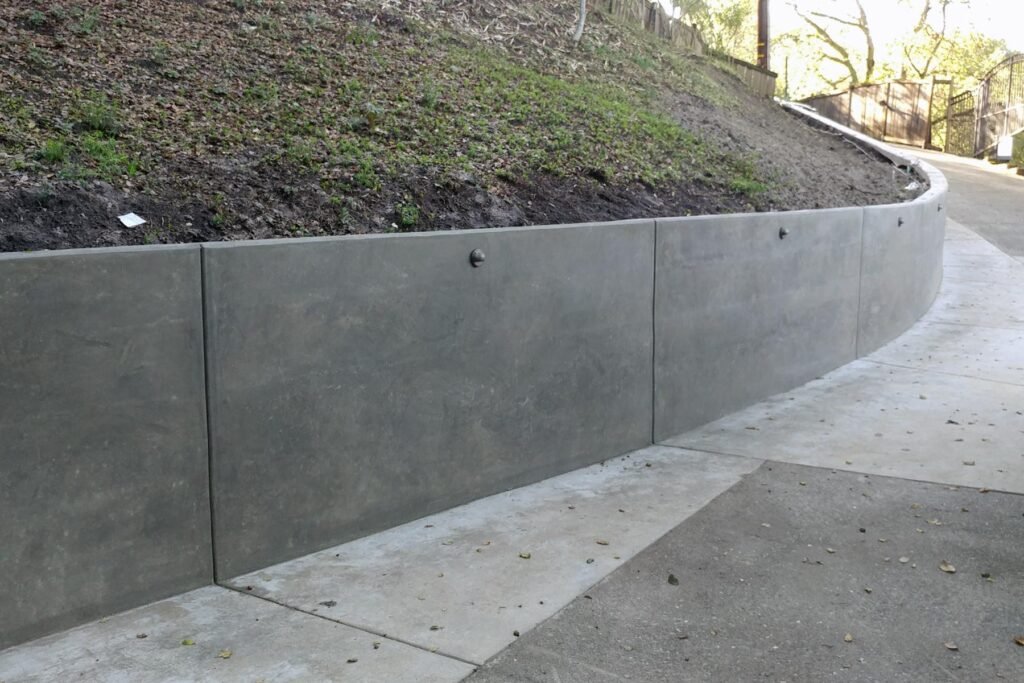
Poured concrete walls are formed and cast on-site, allowing for custom heights, curves, and wall profiles suited to unique property layouts. They’re often chosen for taller walls or situations where a smooth, monolithic appearance is preferred over a segmented block look.
Reinforced Concrete Retaining Walls
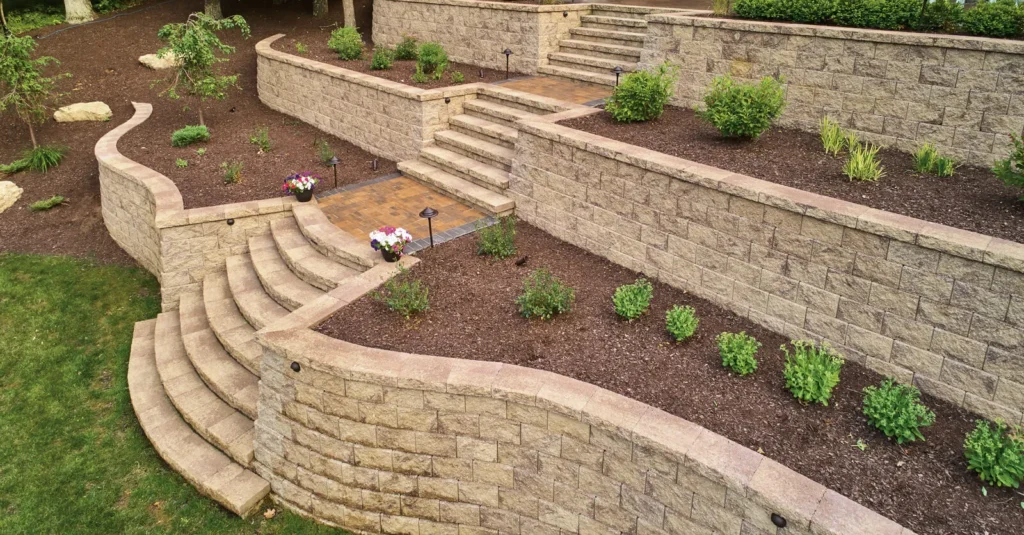
Taller walls or those facing higher soil pressure typically require steel reinforcement embedded within the footing and wall structure. Reinforcement significantly increases a concrete wall’s ability to resist lateral soil forces without cracking or shifting over time.
Concrete Block Retaining Walls
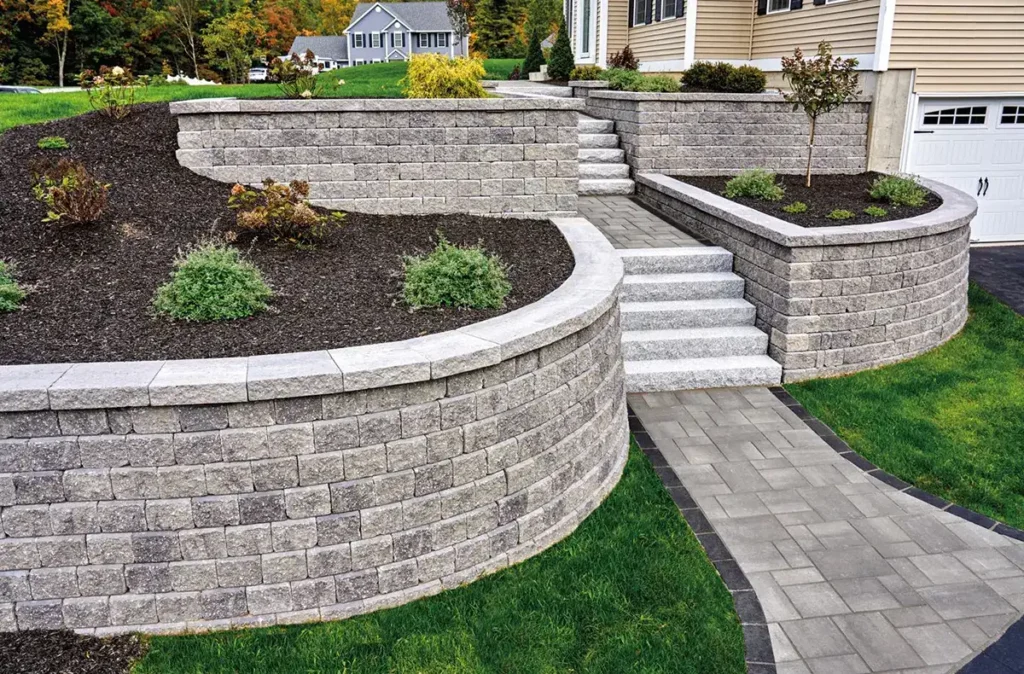
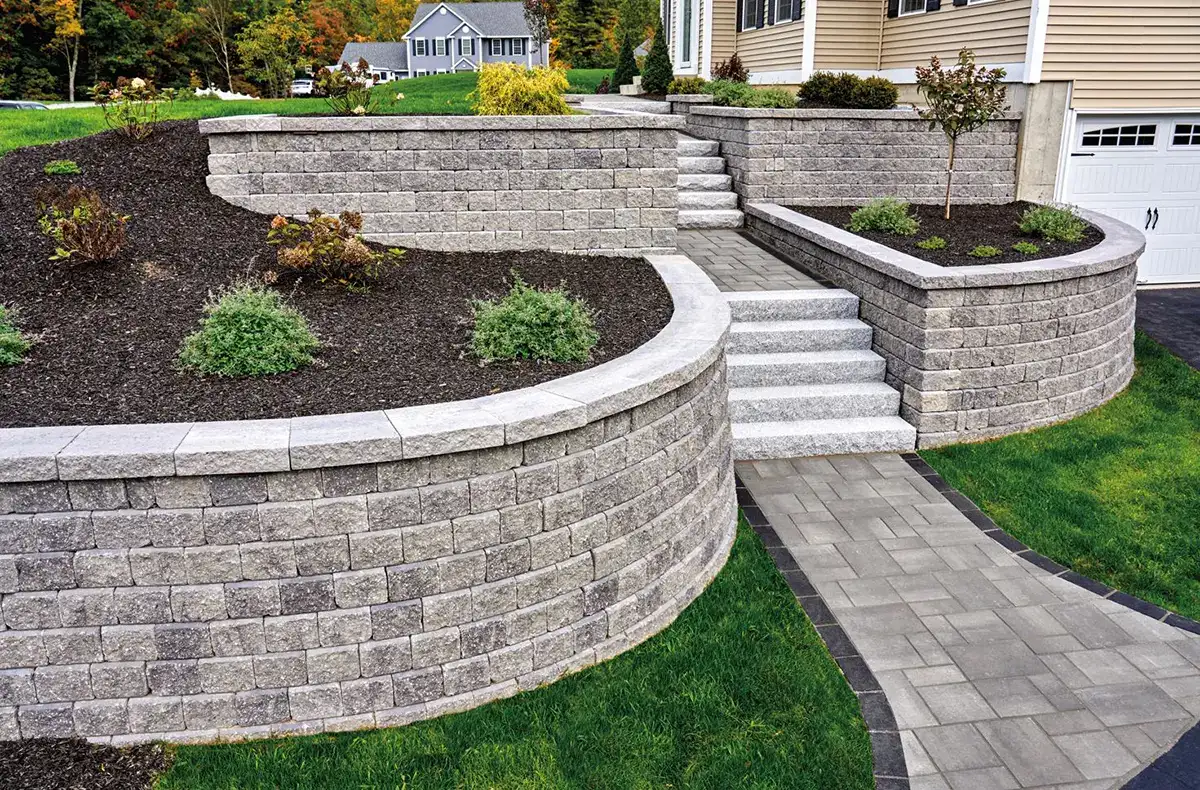
Concrete masonry block walls use manufactured units stacked in consistent courses, offering a more modular and often faster installation than poured concrete. They remain a strong, durable option for a range of residential wall heights and applications.
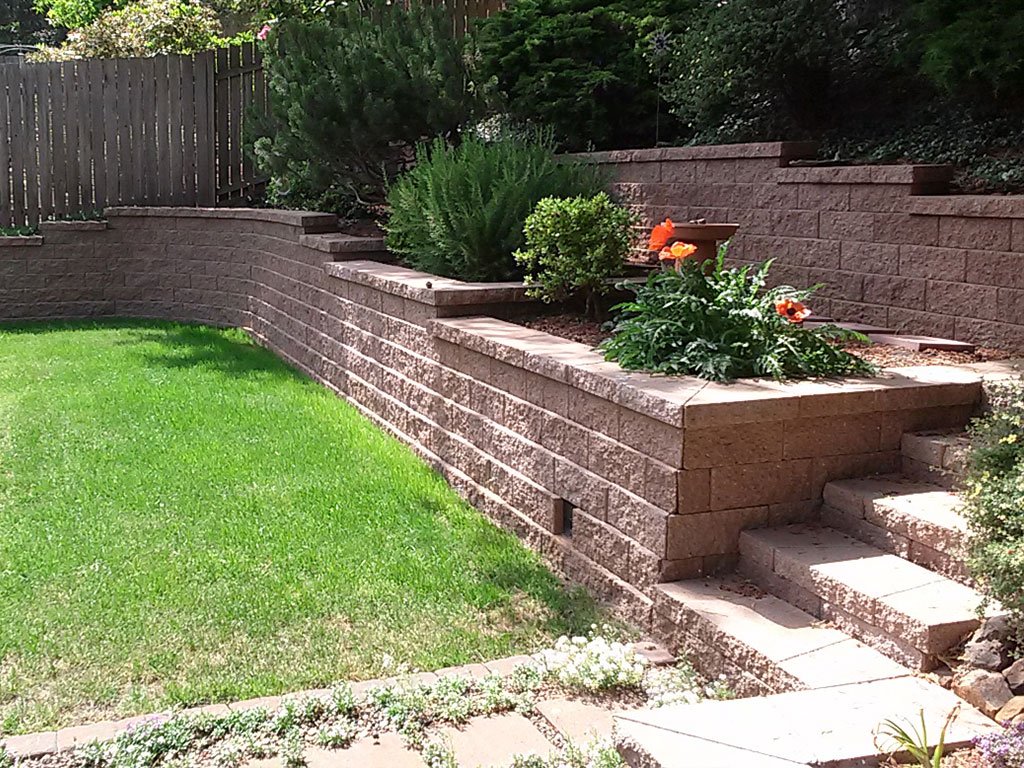
Stamped & Decorative Concrete Retaining Walls
Poured concrete can be stamped, textured, or finished to resemble stone, brick, or other materials while retaining concrete’s structural strength. This option appeals to homeowners who want a decorative appearance without switching to natural stone construction.
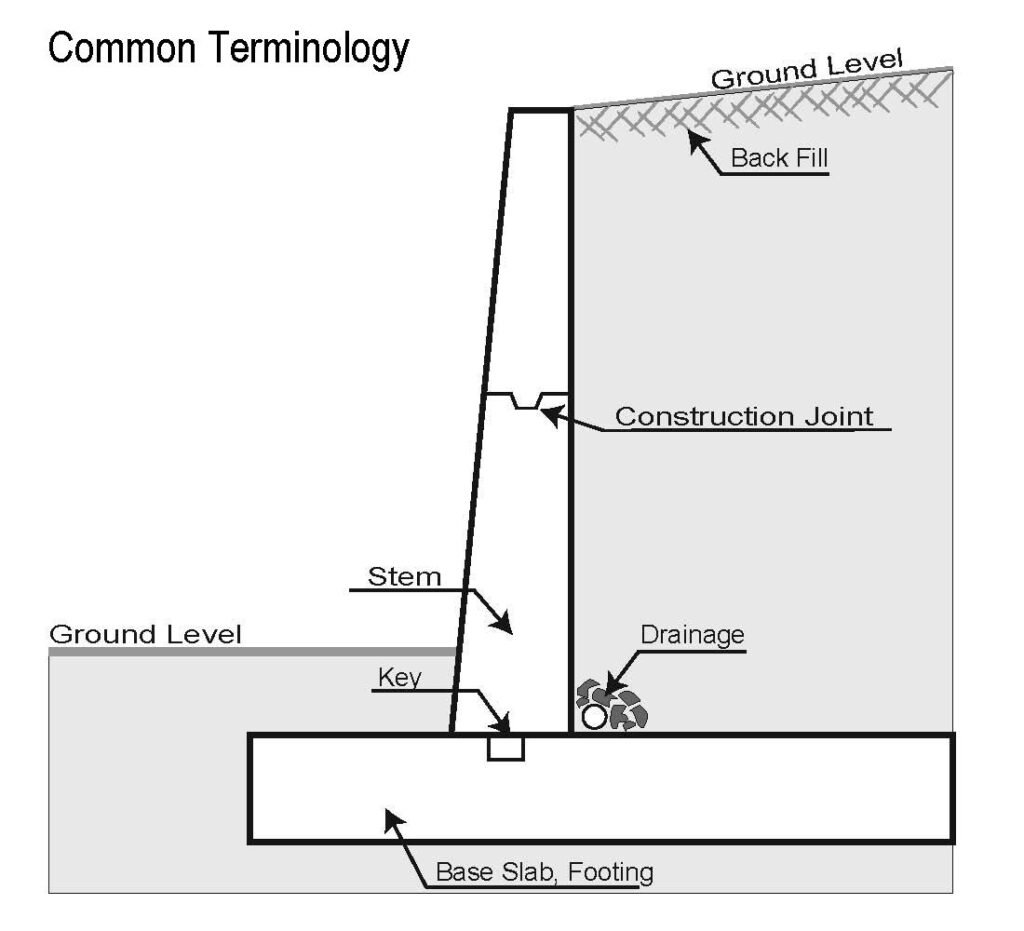
Concrete Retaining Wall Footings & Foundations
A concrete wall’s long-term stability starts below grade with a properly sized and compacted footing. Footing depth and width are determined by wall height, soil type, and the loads the wall needs to resist.
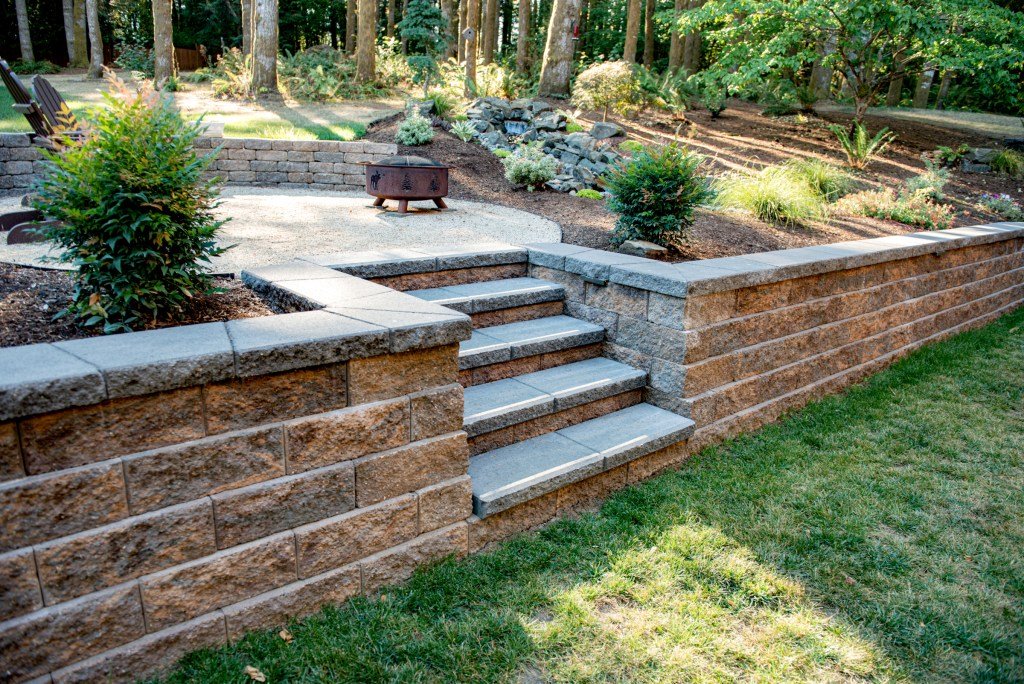
Concrete Retaining Wall Resurfacing & Finishing
Existing concrete walls that are structurally sound but showing surface wear can sometimes be resurfaced or refinished rather than rebuilt. This can refresh the wall’s appearance while preserving a structure that remains stable underneath.
Benefits of Concrete Retaining Walls for Imperial Beach Homeowners
Exceptional Strength for Taller Walls
Concrete's compressive strength, especially when reinforced, makes it well-suited for walls that need to hold back significant soil loads. This makes it a common choice for hillside properties or walls supporting nearby structures.
Long-Term Durability
Properly built concrete walls, with adequate drainage and reinforcement, are known for holding up well over time under varying moisture and soil conditions. This durability can make concrete a practical long-term investment for demanding sites.
Design Flexibility
Poured concrete can be formed into curves, corners, and custom heights that some modular materials can't easily achieve. Combined with stamping or decorative finishes, concrete offers more design range than many homeowners expect.
Low Ongoing Maintenance
Concrete walls generally require minimal upkeep beyond periodic inspection, particularly compared to materials that may shift or require occasional realignment. This can make concrete appealing for homeowners who want a lower-maintenance long-term solution.
Consistent, Clean Appearance
Poured concrete offers a uniform, monolithic look that some homeowners prefer over the segmented appearance of block or stone. This clean aesthetic can complement modern landscaping and hardscape design.
Strong Support for Structures Nearby
Because of its strength, reinforced concrete is often used when a retaining wall needs to support soil near a driveway, patio, or structure. This makes it a practical choice for sites where wall failure would have a bigger impact on surrounding features.
Let's Start Your Retaining Wall Project in Imperial Beach
Let’s chat about your ideas! Getting started is easy – simply reach out with details about your retaining wall project!
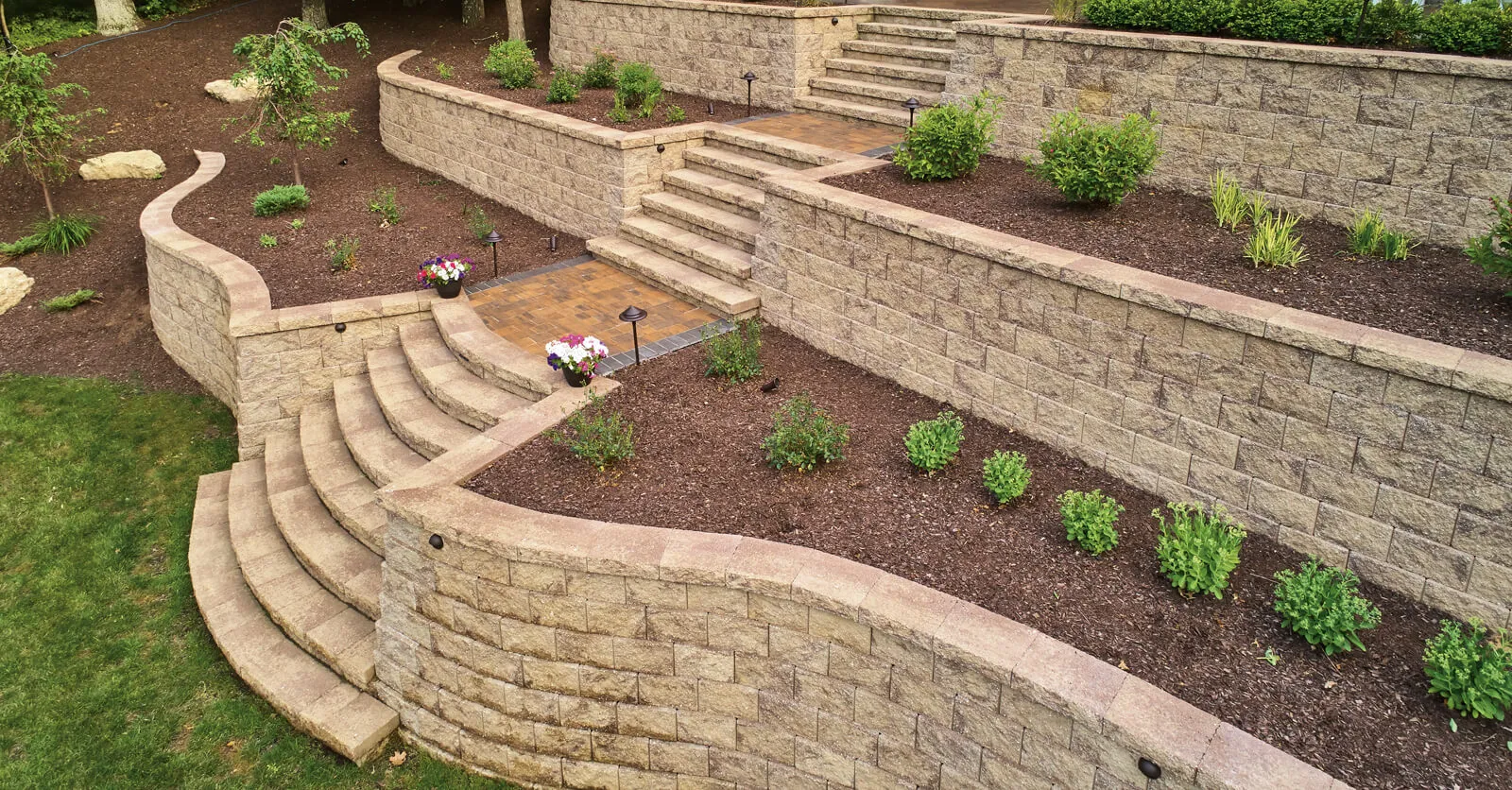
Retaining Wall Installation in Imperial Beach, CA
Concrete Retaining Walls in Imperial Beach, CA
Imperial Beach’s coastal setting includes a mix of sandy soil near the shoreline and more varied soil conditions moving inland toward the surrounding South Bay. This range of conditions means concrete wall design — particularly footing depth and reinforcement — often depends heavily on where a specific property sits within the region.
Seasonal rains and coastal moisture make drainage planning especially important for concrete walls in the area, since rigid structures don’t flex to relieve water pressure the way some other materials can. Homes on hillside or terraced lots further inland typically face greater soil pressure than flatter properties closer to the coastline.
Imperial Beach at a Glance
- Location: Coastal city in southern San Diego County, bordering the Pacific Ocean
- Community characteristics: Mix of beach-adjacent residential streets and inland neighborhoods
- Climate: Mild, coastal Southern California climate with a distinct rainy season
- Terrain: Generally flat near the coastline, with more grade variation moving inland and toward surrounding hillside communities
- Housing: Primarily single-family residential homes with a range of lot sizes and grading conditions
Why Concrete May Be a Good Fit for Imperial Beach Properties
Concrete’s strength makes it well-suited for taller walls on hillside lots inland from the coast, where soil pressure tends to be greater. Its rigid, clean profile also works well on smaller coastal lots where space efficiency matters and a compact wall footprint is preferred.
Concrete isn’t the right fit for every property, but for homeowners who need maximum strength, a custom shape, or a low-maintenance long-term solution, it’s often one of the strongest available options.
How Much Do Concrete Retaining Walls Cost in Imperial Beach?
Concrete retaining wall pricing depends on wall height, length, reinforcement needs, and finish. The table below reflects broad industry ranges for planning purposes.
| Project Type | Typical Cost Range | Factors Affecting Price |
|---|---|---|
| Standard poured concrete wall (under 4 ft) | $50 – $85 per sq. ft. | Footing size, wall height, site access |
| Reinforced poured concrete wall (4–8 ft) | $70 – $110 per sq. ft. | Steel reinforcement, footing depth, soil conditions |
| Concrete block retaining wall | $40 – $80 per sq. ft. | Block type, drainage, reinforcement |
| Stamped/decorative concrete wall | $65 – $120 per sq. ft. | Stamping pattern, finish complexity, forming |
| Board-formed concrete wall | $70 – $125 per sq. ft. | Formwork detail, finish quality, wall height |
| Concrete wall repair | $1,500 – $12,000+ per project | Extent of damage, reinforcement, drainage correction |
These ranges are broad industry estimates, not guaranteed pricing. Actual cost depends on your property’s specific dimensions, soil conditions, reinforcement needs, and site access.
Factors That Affect Concrete Retaining Wall Cost
- Wall height and length
- Footing depth and reinforcement requirements
- Excavation and soil conditions
- Formwork complexity, for poured concrete
- Finish type, such as stamped or board-formed textures
- Drainage system scope
- Backfill volume and compaction
- Site access for concrete delivery and equipment
- Existing structures or landscaping near the work area
- Overall labor complexity
Local Imperial Beach Factors That Can Affect Cost
Coastal soil conditions in parts of Imperial Beach can influence footing design and drainage requirements, though soil composition varies across different properties and neighborhoods. Hillside lots further inland toward Chula Vista, Eastlake, and Bonita often require deeper footings and more extensive reinforcement than flatter coastal parcels.
Site access also matters for concrete work specifically, since concrete delivery trucks and pump equipment need adequate space to reach the work area. Tighter side yards or limited driveway access on some residential lots can affect both method and cost.
Why Detailed Estimates Matter
Concrete wall pricing depends on precise measurements of height, length, and soil conditions gathered during a site evaluation. Footing size, reinforcement needs, and finish selection are determined based on the specific demands of your property, not a generic estimate.
A clear, detailed estimate outlines the full project scope — including reinforcement, drainage, and finish — so homeowners understand what’s included before concrete work begins.
Concrete Retaining Wall Options
Standard Poured Concrete
Standard poured concrete offers strong load-bearing performance and a smooth, uniform finish. It’s commonly used for walls of moderate to tall heights where custom shaping isn’t a primary concern.
Reinforced Poured Concrete
Adding steel reinforcement within the footing and wall allows concrete to resist greater lateral soil pressure, making it suitable for taller walls or challenging soil conditions. Reinforcement adds to material and labor cost but significantly improves long-term performance.
Concrete Masonry Block
Concrete block offers a modular alternative to poured concrete, with faster installation and a slightly different aesthetic. It performs well for moderate wall heights and is a common choice for residential terracing and yard leveling.
Stamped or Textured Concrete
Stamped concrete replicates the look of stone, brick, or other decorative finishes while retaining the structural properties of standard concrete. This option typically adds cost for the stamping and finishing process but offers more design variety.
Board-Formed Concrete
Board-formed concrete uses wood formwork during the pour to create a distinctive wood-grain texture on the finished wall surface. This decorative technique is chosen more for aesthetic appeal in visible landscape areas than for structural differences.
No single concrete option is universally “best” — the right choice depends on wall height, soil conditions, budget, and the appearance a homeowner wants for their property.
Concrete Retaining Wall Design Considerations
Several factors shape how a concrete retaining wall is designed, and each affects safety, durability, appearance, and cost:
- Wall height – Taller concrete walls face greater lateral soil pressure and typically require reinforcement.
- Footing size and depth – The footing must be sized to the wall’s height and the soil conditions on-site.
- Reinforcement – Steel rebar within the footing and wall adds tensile strength concrete alone lacks.
- Drainage – Gravel backfill and a drain line prevent hydrostatic pressure from building against the wall.
- Backfill compaction – Properly compacted backfill reduces settling and uneven loading behind the wall.
- Curing time – Poured concrete needs adequate time to cure before backfilling proceeds.
- Wall length and expansion joints – Longer walls may need joints to accommodate natural expansion and contraction.
- Site access – Concrete delivery and equipment access affect how a pour is scheduled and executed.
- Finish and texture – Stamped, smooth, or board-formed finishes affect both appearance and labor cost.
- Property boundaries – Wall placement must respect boundary lines and any easements.
Getting these details right during planning helps ensure a concrete wall performs as expected for years to come.
Why Choose Retaining Wall Installer Imperial Beach for Concrete Walls?
Local Knowledge of Imperial Beach Properties
Understanding local soil conditions, drainage patterns, and property layouts helps inform smarter concrete wall planning across the South Bay. Hillside neighborhoods in Chula Vista’s Eastlake Greens, Eastlake Trails, and Eastlake Vistas often benefit from reinforced concrete due to steeper grade changes.
Otay Ranch communities near Montecito and Escaya frequently include sloped lots where concrete’s strength suits taller retaining needs. In National City, properties around Las Palmas and Kimball Park may involve older grading that calls for careful footing design, while hillside areas in Bonita Long Canyon and Central Bonita often require reinforced concrete for erosion-prone slopes. Homes in San Ysidro near Beyer Heights may benefit from concrete’s compact footprint on tighter residential lots.
Quality Materials and Construction Practices
Concrete wall performance depends on proper mix design, reinforcement placement, and adequate curing time before backfilling. We follow these fundamentals on every project to support long-term structural performance.
Attention to Drainage and Site Preparation
Drainage is critical for concrete walls, since rigid structures are especially vulnerable to hydrostatic pressure without proper relief. Site evaluation, footing preparation, and drainage design are addressed at every stage of a concrete wall project.
Clear Communication From Start to Finish
Homeowners deserve to understand the reinforcement, footing, and finish decisions behind their concrete wall before work begins. We walk through these details clearly as part of project planning.
Homeowner-Focused Service
Every property’s soil, slope, and drainage conditions are different, and a good concrete wall plan reflects those specific site details. Our goal is to help you understand your options so you can choose the right approach for your yard.
Areas We Serve
We provide concrete retaining wall installation and repair services throughout Imperial Beach and the surrounding South Bay communities, including:
- Chula Vista – including neighborhoods such as Rancho Del Rey, Rolling Hills Ranch, and Terra Nova
- Eastlake – including Eastlake Greens, Eastlake Trails, and Eastlake Vistas
- Otay Ranch – including areas near Montecito, Escaya, and Windingwalk
- National City – including Las Palmas and areas near Kimball Park
- Imperial Beach – including Palm City and the Seacoast Drive corridor
- Bonita – including Bonita Long Canyon and Central Bonita
- San Ysidro – including Beyer Heights and surrounding residential streets
If your neighborhood isn’t listed above, reach out — we’re happy to discuss your concrete wall project and confirm whether your area is within our service range.
Need Help?
Frequently Asked Questions About Concrete Retaining Walls in Imperial Beach
Below are some of the most common questions Our Network get from families about Retaining Wall. If you have any other questions contact us!
How much does a concrete retaining wall cost in Imperial Beach?
Concrete retaining walls typically range from about $40 to $125 per square foot, depending on whether the wall is poured or block, reinforced, and whether a decorative finish like stamping is included. Taller walls requiring reinforcement fall toward the higher end of that range. A site evaluation is the best way to get an accurate estimate for your specific project.
Is poured concrete stronger than concrete block for retaining walls?
Poured concrete, especially when reinforced with steel, generally offers higher strength for a given wall thickness than standard concrete block. However, concrete block systems designed specifically for retaining walls, such as segmental units, can also perform very well for moderate wall heights. The right choice depends on wall height, soil conditions, and design goals.
How long does it take to build a concrete retaining wall?
Poured concrete walls typically take longer than block walls due to formwork, curing time, and reinforcement placement, often ranging from one to three weeks depending on wall size. Concrete needs adequate time to cure — often at least a few days to a week — before backfilling can safely proceed. Block walls may be completed somewhat faster since they don’t require curing time.
Do concrete retaining walls need reinforcement?
Reinforcement is typically recommended for taller concrete walls or those facing higher soil pressure, since steel rebar adds tensile strength that concrete alone doesn’t provide. Shorter walls under a few feet may not always require reinforcement, depending on soil conditions. A site evaluation helps determine whether your specific wall needs it.
Can a concrete retaining wall crack over time?
Yes, concrete can develop cracks due to soil pressure, drainage issues, or natural curing shrinkage, though proper reinforcement and drainage significantly reduce this risk. Small hairline cracks from curing are often cosmetic, while wider or growing cracks may indicate a structural or drainage issue. Regular inspection helps catch developing problems early.
What's the difference between poured concrete and stamped concrete retaining walls?
Standard poured concrete has a smooth, uniform finish, while stamped concrete uses textured forms or overlays to mimic the look of stone, brick, or other materials. Both offer similar structural strength when reinforced properly, with stamped finishes typically adding to material and labor cost. The choice largely comes down to the appearance a homeowner wants.
How much does reinforcement add to the cost of a concrete retaining wall?
Reinforcement generally adds to both material and labor cost, since it requires additional steel and installation time compared to unreinforced concrete. The exact increase depends on wall height and the amount of reinforcement required, but it’s often a worthwhile investment for taller walls facing higher soil pressure. A detailed estimate will outline reinforcement costs specific to your project.
Contact Retaining Wall Installer Imperial Beach Today
Whether you’re planning a new concrete retaining wall or need a damaged one evaluated, we’re here to help homeowners throughout Imperial Beach, Chula Vista, Eastlake, Otay Ranch, National City, Bonita, and San Ysidro choose the right concrete solution for their property. We’ll walk you through reinforcement, footing, and finish options so you can make an informed decision.
A free, no-pressure consultation is the best way to get accurate answers for your specific yard, slope, and soil conditions.